Anclar líneas a objetos físicos
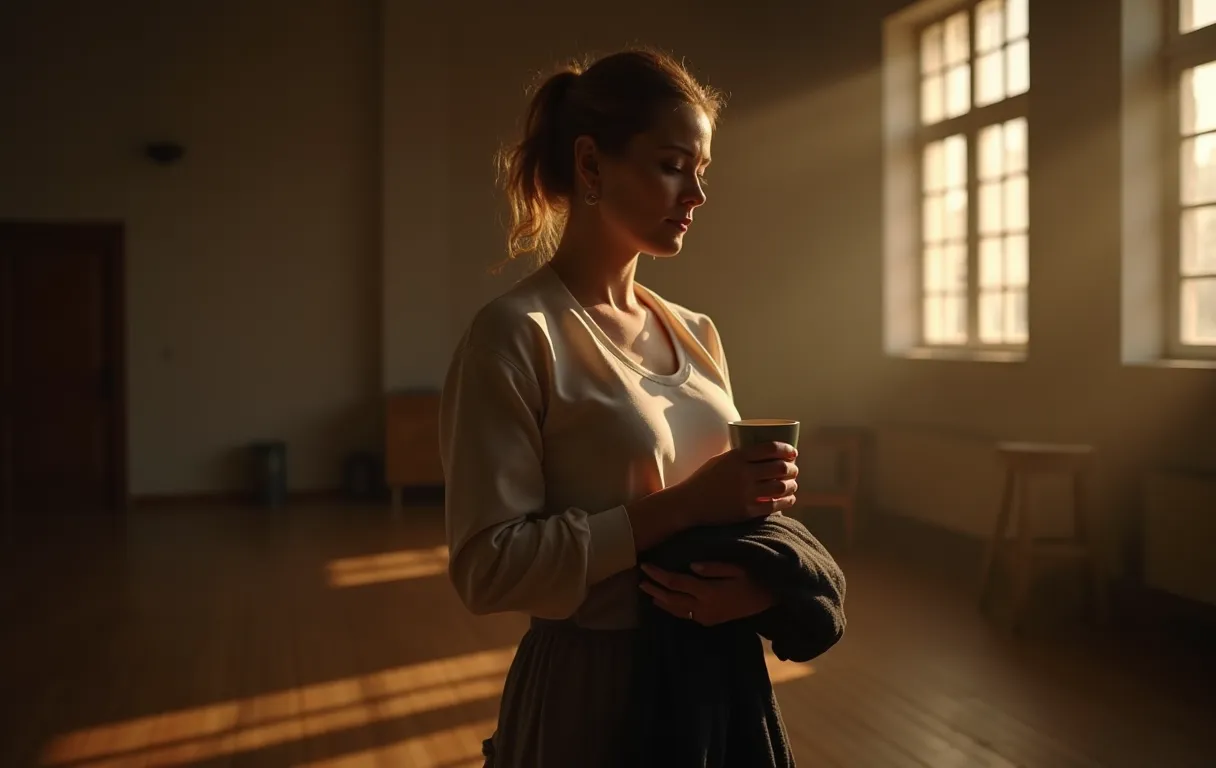
Cuando entro a una sala de ensayo, inmediatamente localizo tres elementos específicos que puedo tocar o mover. Asigno una línea de diálogo a cada objeto. En el momento en que tomo la taza de café, digo mi primera línea. El peso físico del utilería ancla las palabras en mis músculos y mi cerebro deja de tratar el texto como poesía abstracta. Se convierte en una consecuencia necesaria de mover mis manos.
Esta técnica evita la frágil memoria verbal que se fractura bajo las luces del escenario. En lugar de repetir frases en tu cabeza, estás construyendo un bucle táctil. Cada vez que tocas ese libro específico o ajustas esa silla, tu cuerpo recuerda la formulación exacta. La memoria vive en tus yemas de los dedos, no solo en tu lóbulo frontal.
Mapea tu movimiento por el escenario
Nunca ensayo una escena estando parada en un solo lugar. Recorro todo el blocking mientras digo las líneas en voz alta. Cada paso se convierte en un metrónomo que dispara la siguiente frase. Pongo mi primer pie adelante para la línea uno, giro mi pie derecho para la línea dos y cruzo hacia la marca de downstage left para la línea tres. La geografía de la sala reemplaza el espacio vacío donde normalmente vive el pánico.
La memoria espacial es increíblemente robusta porque involucra al hipocampo, la parte de tu cerebro responsable de la navegación. Cuando atás el diálogo a coordenadas específicas, creas un mapa mental que resiste durante los picos de adrenalina. Te encontrarás moviéndote hacia una marca y oyendo las palabras antes de buscarlas conscientemente.
Divide el diálogo en beats activos
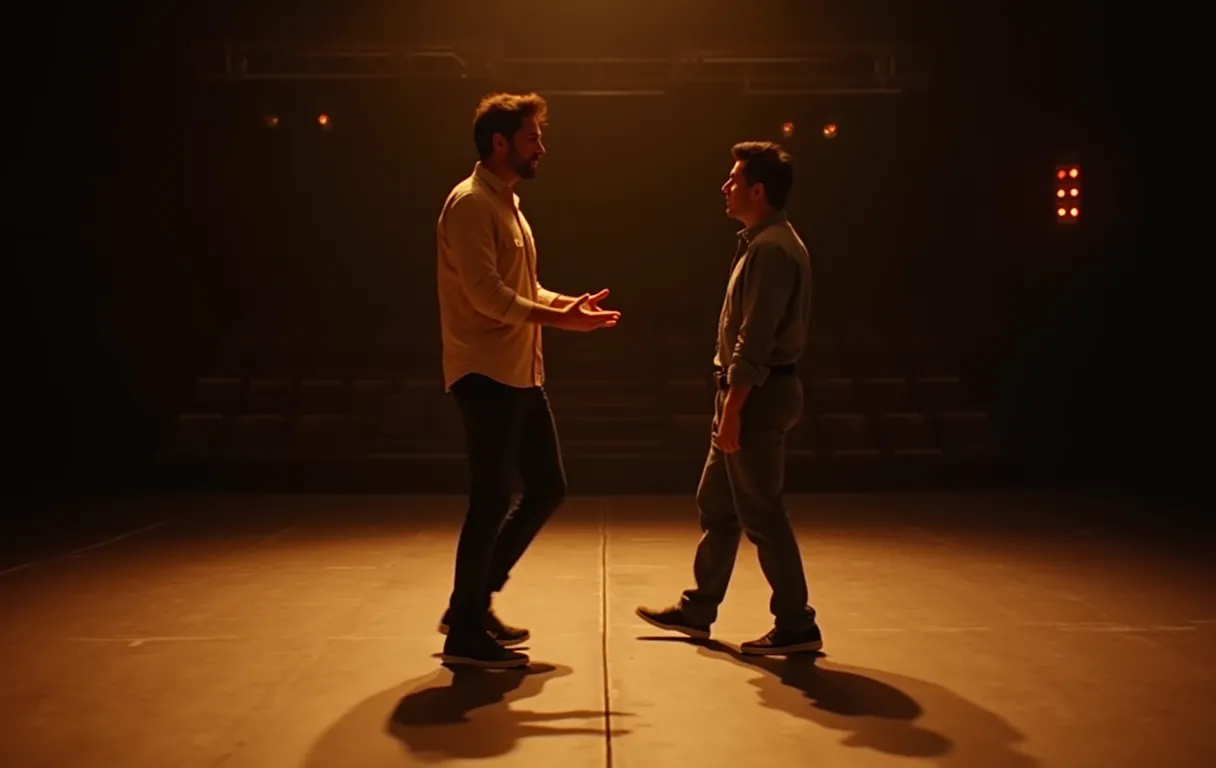
Corto el guion en pequeños fragmentos basándome en lo que estoy tratando de obtener del otro personaje, no en dónde termina la línea. Primero memorizo la intención y luego las palabras que sirven a esa intención. Si estoy tratando de convencer a mi compañero de escena de quedarse, repito ese objetivo mientras digo las líneas. La urgencia de la acción lleva el vocabulario hacia adelante de manera natural.
La repetición pasiva crea una memorización frágil que colapsa cuando un actor cambia su tempo. La repetición activa construye resiliencia porque el texto está unido a un objetivo vivo. Practico estos beats desordenados hasta que mi cerebro deja de esperar que el guion fluya linealmente. Esto imita la realidad impredecible de una actuación en vivo.
Ponte a prueba bajo distracción
La memorización se siente sólida solo cuando estás cómoda. Deliberadamente practico mis líneas mientras doblo ropa, lavo platos o camino por una avenida concurrida. Fuerzo a mi cerebro a recuperar las palabras mientras mi atención está dividida. Esto imita el enfoque dividido que se requiere la noche de estreno cuando estás escuchando, reaccionando y llegando a tus marcas al mismo tiempo.
La forma más rápida de fijar el texto en su lugar es hacerle una prueba de estrés temprano. Cuando puedes decir tus líneas perfectamente mientras tus manos están ocupadas y tu mente está en otra parte, la actuación se vuelve automática. Dejarás de ensayar y comenzarás a habitar al personaje mucho antes de lo que esperas.
Comentarios
Deja un Comentario
Los comentarios aparecen de inmediato.