Anchor Lines To Physical Objects
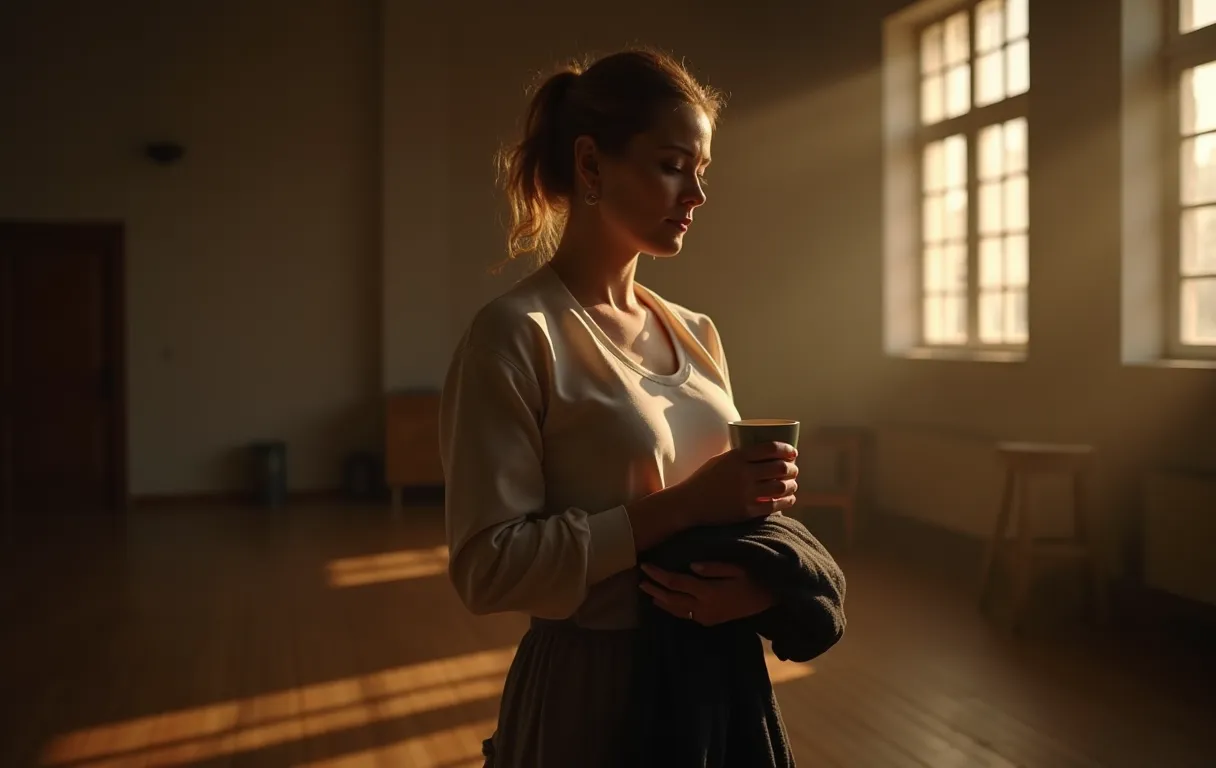
When I walk into a rehearsal room, I immediately locate three specific items I can touch or move. I assign one line of dialogue to each object. The moment I pick up the coffee cup, I speak my first line. The physical weight of the prop grounds the words in my muscles, and my brain stops treating the text as abstract poetry. It becomes a necessary consequence of moving my hands.
This technique bypasses the fragile verbal memory that fractures under stage lights. Instead of repeating phrases in your head, you are building a tactile loop. Every time you touch that specific book or adjust that chair, your body recalls the exact phrasing. The memory lives in your fingertips, not just your frontal lobe.
Map Your Movement Across The Stage
I never practice a scene while standing in one spot. I walk the entire blocking while speaking the lines aloud. Each step becomes a metronome that triggers the next phrase. I place my first foot forward for line one, pivot my right foot for line two, and cross to the downstage left mark for line three. The geography of the room replaces the empty space where panic usually lives.
Spatial memory is incredibly robust because it engages the hippocampus, the part of your brain responsible for navigation. When you tie dialogue to specific coordinates, you create a mental map that holds up during adrenaline spikes. You will find yourself moving to a mark and hearing the words before you consciously reach for them.
Break Dialogue Into Active Beats
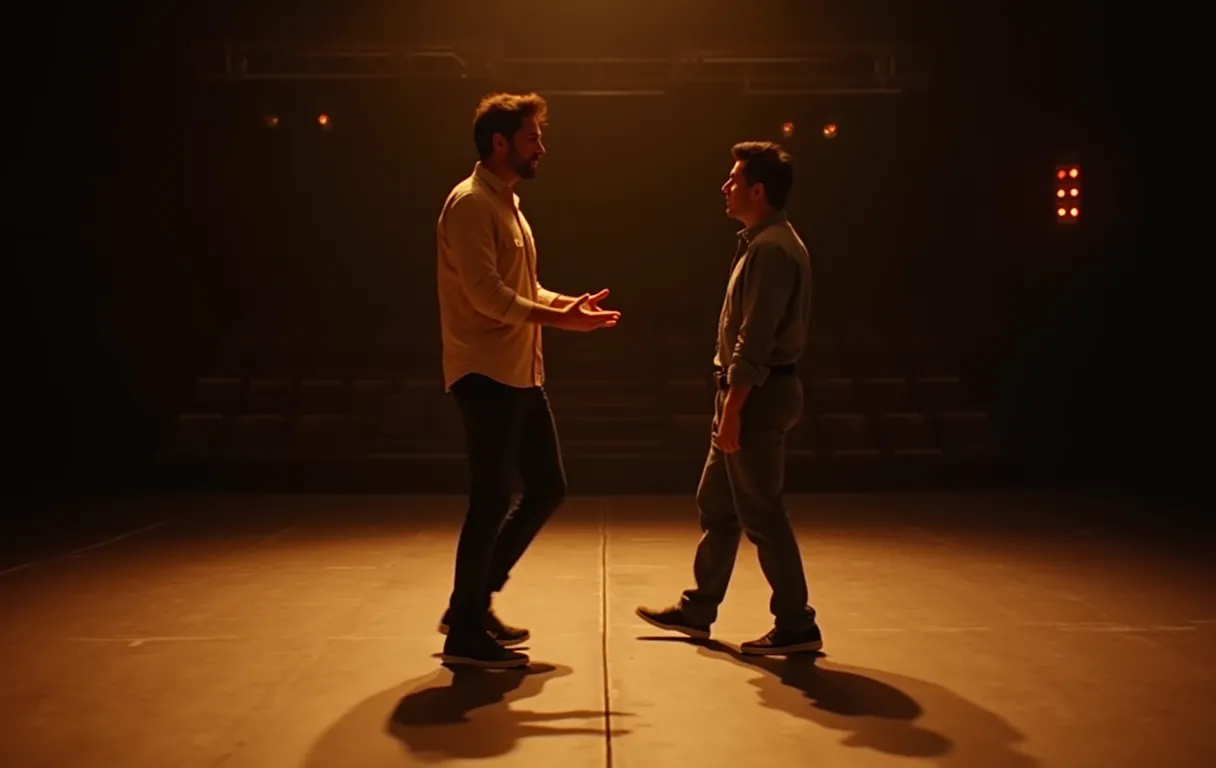
I cut the script into small chunks based on what I am trying to get from the other character, not where the line ends. I memorize the intention first, then the words that serve that intention. If I am trying to convince my scene partner to stay, I repeat that goal while speaking the lines. The urgency of the action carries the vocabulary forward naturally.
Passive repetition creates brittle memorization that collapses when a fellow actor changes their tempo. Active repetition builds resilience because the text is attached to a living objective. I practice these beats out of order until my brain stops expecting the script to flow linearly. This mimics the unpredictable reality of a live performance.
Test Yourself Under Distraction
Memorization feels solid only when you are comfortable. I deliberately practice my lines while folding laundry, washing dishes, or walking down a busy avenue. I force my brain to retrieve the words while my attention is divided. This mimics the split focus required on opening night when you are listening, reacting, and hitting your marks simultaneously.
The fastest way to lock text in place is to stress test it early. When you can deliver your lines perfectly while your hands are busy and your mind is elsewhere, the performance becomes automatic. You will stop rehearsing and start inhabiting the character much sooner than you expect.
Comments
Leave a Comment
Comments appear right away.