Why Twenty Two Is The Perfect Age To Begin Acting

Introduction

I hear this question often in my office, usually accompanied by a nervous laugh and a stack of headshots you printed yourself. Let me tell you plainly: twenty two is not too old to start acting; it is precisely the right age to begin building a real career. I was twenty three when I booked my first off-Broadway role, and after two decades navigating New York stages and sets as a Venezuelan-American performer, I want to share the exact groundwork that turned my late start into a sustainable life in this work.

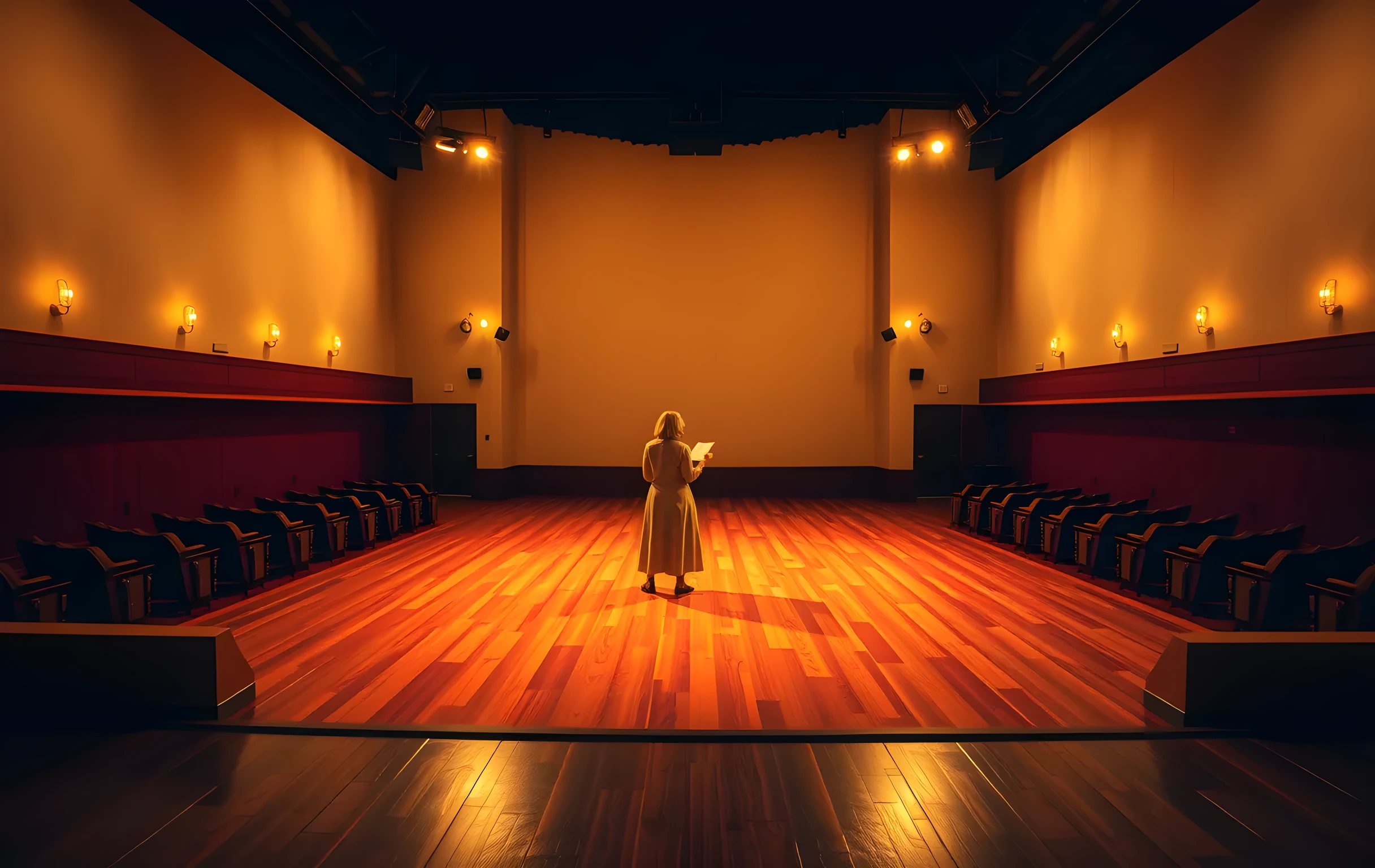
A wide cinematic shot of an empty theater stage at dusk, wooden floorboards catching golden hour light, a woman actor standing near the center holding a script, viewed from the back of the auditorium
A wide cinematic shot of an empty theater stage at dusk, wooden floorboards catching golden hour light, a woman actor standing near the center holding a script, viewed from the back of the auditorium.

Age Is Merely A Casting Box

The industry categorizes ages for logistical reasons, not artistic ones. Casting directors need to know if they are writing a college student, a young professional, or a parent. When you start at twenty two, you are entering a bracket where directors actually want fresh faces that feel authentically young. Stop worrying about being behind and start understanding that your current life stage is your casting advantage.

I remember walking into a rehearsal room at twenty four, watching classmates who had been training since childhood move through scenes with polished technique but zero lived experience. I brought the quiet urgency of someone who chose this path deliberately. That difference shows on camera and on stage. You do not need decades of training to read truthfully; you need honesty, discipline, and the willingness to listen.

Build Your Craft Before You Chase Roles

Skip the expensive intensives that promise instant industry access and invest in consistent, weekly classes. Find a scene study group that meets every Thursday and show up for six months before you even consider submitting anywhere. You will learn how to take notes, how to adjust your choices, and how to sit in the discomfort of not knowing the right answer.

I studied with a Venezuelan director who taught me that technique is just a scaffold for your instincts. You will learn vocal placement, physical conditioning, and text analysis, but your real work happens when you stop performing and start reacting. Read plays aloud with trusted partners, record your choices, and compare them to the script. The craft is built in the quiet repetition of honest work.

A closer medium shot inside a rehearsal studio, a woman actor standing near a large mirror practicing movement, soft morning light streaming through tall windows, scattered chairs and a water bottle on the floor
A closer medium shot inside a rehearsal studio, a woman actor standing near a large mirror practicing movement, soft morning light streaming through tall windows, scattered chairs and a water bottle on the floor.

Find Your Specific Creative Community

New York is vast, and wandering through open casting calls without a network will drain your spirit quickly. Seek out playwrights, directors, and actors who are building original work in Brooklyn, Queens, and the Lower East Side. Attend reading series and volunteer for staged readings where the focus is on the text rather than the ticket sales.

I built my early career through a bilingual theater collective that met in a converted warehouse in Bushwick. We staged experimental pieces that no commercial producer would touch, but they taught me how to trust my voice and navigate different dialects under pressure. Your community will become your training ground, your critique circle, and eventually your referral network.

Treat Auditions As Paid Rehearsals

You will face rejection long before you face opportunity, and that is simply the mechanics of the business. When you walk into a room, your job is not to get the part but to explore the material with generosity and specificity. Bring two distinct choices to every audition, but leave the third one in the hallway for the director to discover.

I stopped taking rejection personally when I started viewing auditions as paid workshops. The room is a laboratory where you get to test your instincts with professional actors who are reading opposite you. You will leave every session with a clearer sense of your range, your pacing, and the types that naturally align with your energy. That knowledge compounds faster than any booking ever could.

Explore my reels and recent projects.

See My Work

Frequently Asked

How do I find acting classes if I have never studied before?

Start by searching for accredited university extension programs or established acting studios in your borough that offer beginner scene study or voice and speech courses. Call the front desk and ask specifically about their curriculum for first-year students and whether they require prior experience. Consistent weekly instruction is far more valuable than a single weekend workshop.

Should I wait until I feel ready to submit headshots and resumes?

No, you should submit them the moment you have a professional headshot and a clear list of your training and any relevant performance experience. Casting directors need to see your face in their database before you are ready, and waiting only delays your entry into the system. Keep your resume honest and update it after every class or production you complete.

Is it realistic to make a living as an actor in New York?

It is realistic only if you treat your acting career as a business and secure supplemental income through teaching, voiceover, or entertainment-adjacent work. I survived my first five years by working as a bilingual administrative assistant and teaching Spanish to theater students. The industry rewards persistence and financial independence more than raw talent alone.

What is the most important skill for a late starter to develop?

The most important skill is learning to receive direction without ego and to return to the text with fresh curiosity every single time. Late starters often overprepare and try to impress directors with preconceived choices instead of staying present. I found that simply listening deeply and responding honestly in the moment consistently outperformed polished but rigid performances.

Comments

Leave a Comment

Comments appear right away.

Thank you — your comment is posted.

← Back to the blog