Twenty One Is Not Too Late To Begin Acting

Introduction

I hear this question often in my weekly masterclasses, and I want to be completely clear from the start: twenty one is an excellent age to begin. The industry does not demand you start in diapers, and your unique life experiences will actually become your greatest asset on camera and stage. Let us look at the real work ahead and how to approach it with patience and precision.

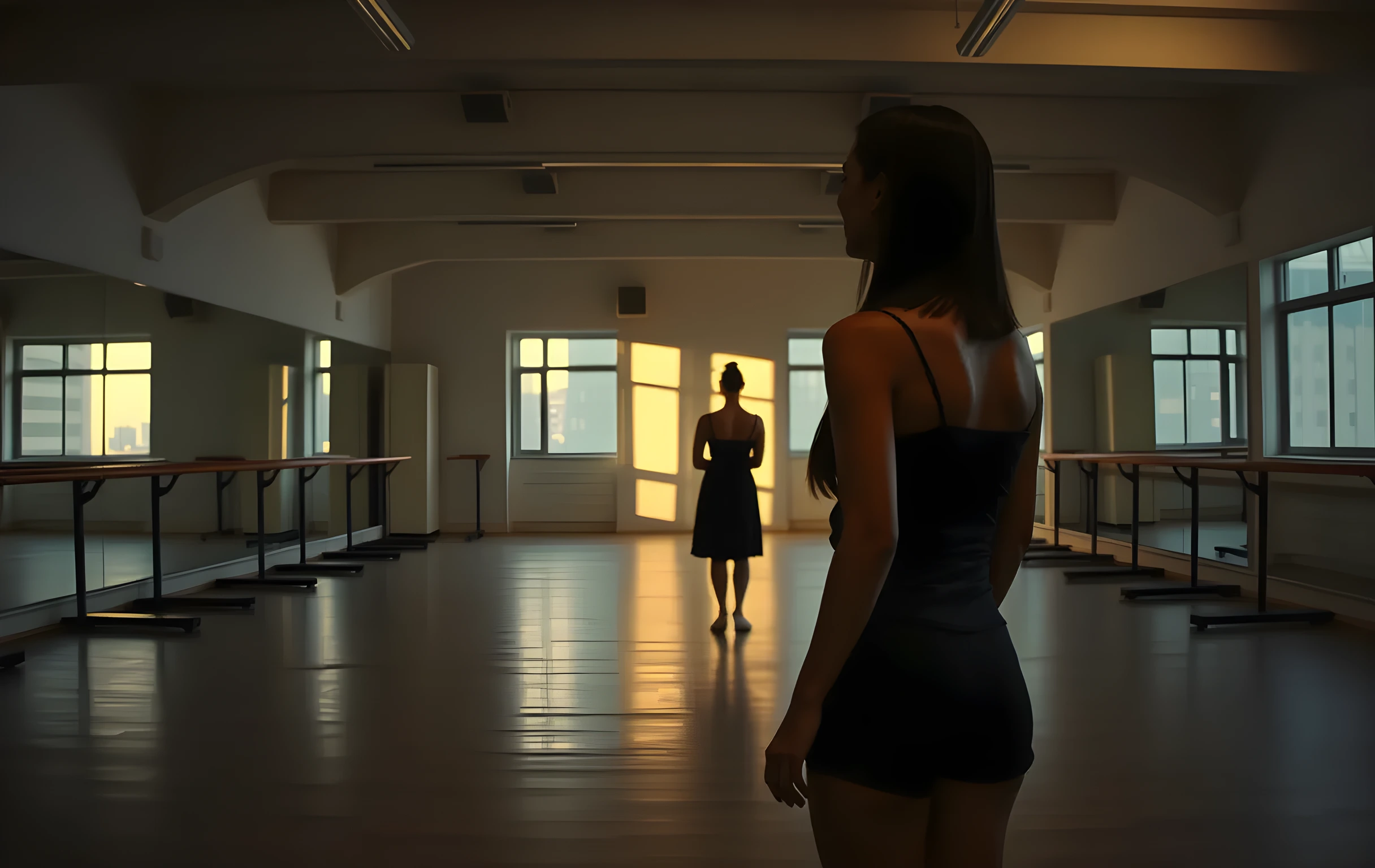
A wide shot of an empty rehearsal studio at dusk, where a woman stands at the far end of the room facing a wall of mirrors, her posture relaxed but focused as afternoon light stretches across the polished wooden floor and scattered ballet barres
A wide shot of an empty rehearsal studio at dusk, where a woman stands at the far end of the room facing a wall of mirrors, her posture relaxed but focused as afternoon light stretches across the polished wooden floor and scattered ballet barres.

The Reality Of Starting Later In Life

Many actors I have mentored over two decades in New York began their training in their mid-twenties or even thirties. You are not behind schedule; you are simply entering a different phase of preparation. The theater community values lived experience, emotional range, and technical discipline over youthful novelty.

Your twenties provide the physical stamina and mental clarity necessary for rigorous training. While younger students sometimes chase fame, you have likely already navigated enough real-world friction to understand human motivation. That foundation allows you to study technique without the distraction of chasing validation.

Building Technique Before Chasing Auditions

Focus entirely on craft for your first three years. Take a reputable scene study class, invest in voice and movement work, and learn to read a script line by line. New York offers countless workshops where you can dissect text with actors who understand the mechanics of truth.

Do not rush into professional auditions until your technique feels solid. Casting directors can spot a performer who is mimicking emotion rather than embodying it. When you finally step into a room, your preparation will speak through your stillness, your listening, and your ability to take direction without defensiveness.

A closer medium shot inside a quiet theater dressing room, where a woman sits on a vintage vanity stool in the background, carefully pinning a script to a corkboard while warm amber lamplight pools around her shoulders and shadows of hanging costumes frame the space
A closer medium shot inside a quiet theater dressing room, where a woman sits on a vintage vanity stool in the background, carefully pinning a script to a corkboard while warm amber lamplight pools around her shoulders and shadows of hanging costumes frame the space.

Navigating The New York Training Ecosystem

The city rewards specificity and consistency. Seek out teachers who work in professional theaters rather than those who only sell quick certifications. Look for classes that emphasize text analysis, dialect work, and on-camera technique, as these skills translate directly to paid work.

Network through rehearsal rooms, not just industry mixers. Sit in on table reads, volunteer for student films, and attend post-show discussions with directors. These spaces naturally filter for dedication, and you will meet collaborators who value your work ethic over your resume length.

Sustaining Your Mindset During Early Years

Rejection is the baseline, not a personal indictment. You will audition for roles you are not right for, and you will be passed over for actors with more years on paper. Separate your self-worth from booking rates, and treat every audition as a paid rehearsal.

Create a sustainable routine that includes financial stability outside the industry. Act as a profession, not an escape from reality. When you can afford to be selective and patient, your performances naturally carry a quiet confidence that directors recognize immediately.

Explore my reels and recent projects.

See My Work

Frequently Asked

Can I book professional work without a degree?

Yes, professional work depends on training, headshots, and a strong reel, not formal education. Many successful performers learned through intensive studio programs and on-set mentorship. Focus on accumulating quality credits and building relationships with casting offices.

How long does it take to feel ready for auditions?

Most students feel prepared after eighteen to twenty-four months of consistent technical training. You will know you are ready when you can sustain a character through multiple takes without forcing the emotion. Trust the process and let your technique guide your choices.

Should I move to New York or Los Angeles first?

Choose the city that aligns with your immediate training goals and budget, not industry hype. New York offers rigorous theater and commercial acting pipelines, while Los Angeles provides faster access to film and television sets. Visit both before committing, and secure stable housing in your chosen market.

What is the most important skill for a late starter?

The ability to listen and react authentically in real time. Technical proficiency matters, but casting directors hire performers who make bold, specific choices without overplaying. Practice staying present in scene work until your instincts become your strongest instrument.

Comments

Leave a Comment

Comments appear right away.

Thank you — your comment is posted.

← Back to the blog