Your Eyes Must Match Your Type
Casting directors scan hundreds of photos in a single afternoon, and they need to see exactly who you are before you even speak. If you are naturally intense, do not force a soft, commercial smile just to appear more approachable. I have seen too many actors lose auditions because their photo suggested a different emotional range than their actual presence.
Instead, trust the specific qualities that make you memorable. If your gaze carries a quiet intensity, let that lead the image. When your eyes align with your natural type, you stop competing with your own photo and start attracting the right writers and directors.
Lighting Should Reveal Your Bone Structure
Flat, even lighting might look flattering in a family album, but it washes out the dimensions that help casting read your character. I always ask my photographers to use directional light that grazes the cheekbones and jawline, creating subtle shadows that suggest depth and history. This approach mirrors how you will actually be lit on set or under theatre rigging.
Avoid harsh overhead lights that cast unflattering shadows in your eye sockets, and steer clear of overly soft diffusion that erases your features entirely. The goal is clarity, not perfection. A headshot must show the exact terrain you bring to a role, including the lines that prove you have lived a life.
Wardrobe Must Support, Not Steal, the Frame
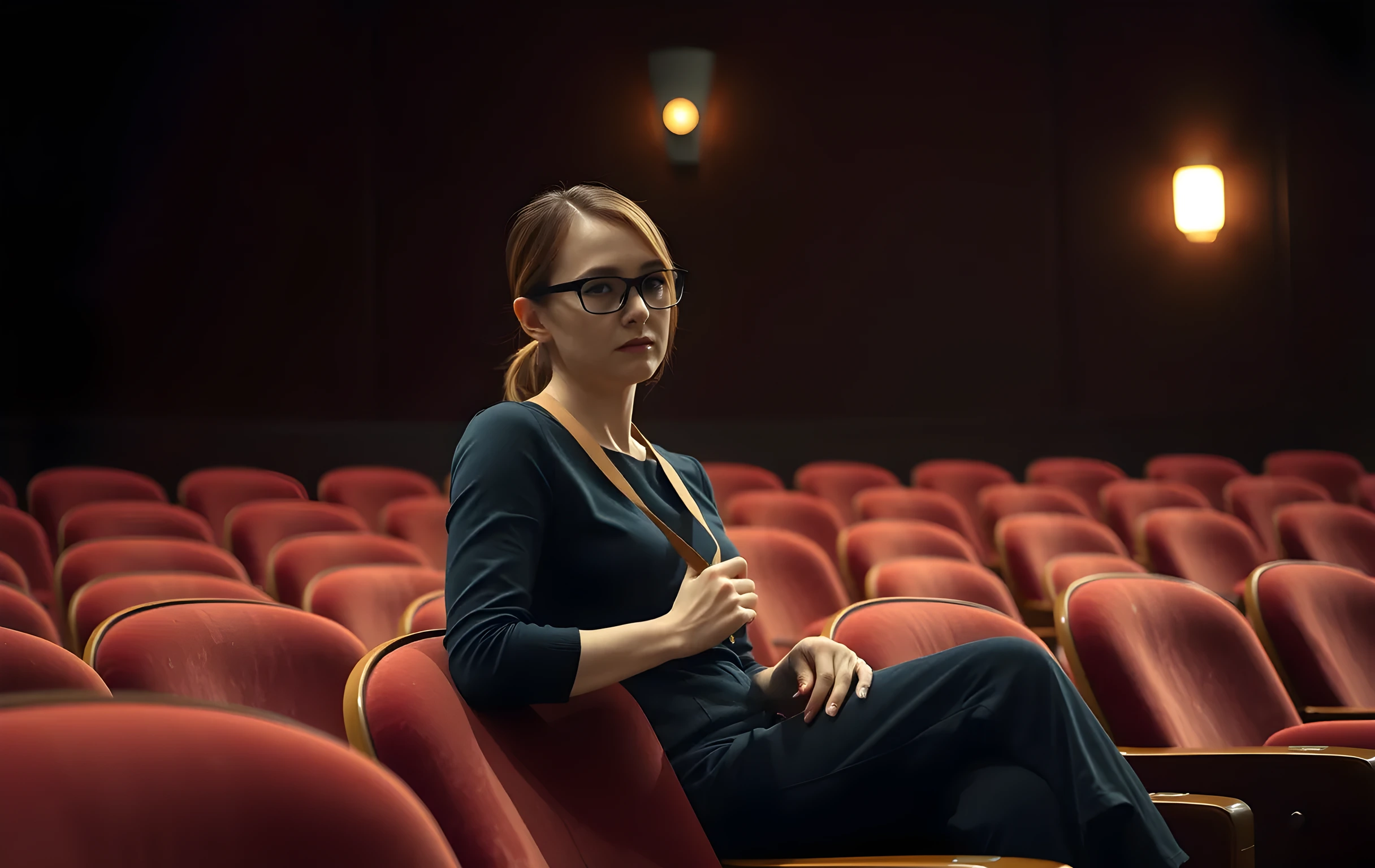
Your clothing should never become the focal point of the image. I have watched talented performers get sidelined because their headshot featured loud patterns, heavy jewelry, or colors that clash with their natural skin tone. Solid, muted fabrics work best because they guide the viewer straight to your face and let your expressions breathe.
Choose colors that contrast slightly with the background without overwhelming the frame. A deep navy, charcoal, or forest green often photographs beautifully and reads as professional across all markets. Remember that you are selling your ability to transform, not your personal style, so keep the styling minimal and intentional.
Casting Directors Read Between the Lines
A successful headshot does more than capture a pretty face; it communicates your professional readiness and genre range. I look for images that feel lived-in rather than staged, where the subject appears relaxed enough to be believable in a scene. When an actor brings that same grounded energy into the room, the photo has done its job.
Work with a photographer who understands the industry and refuses to treat you like a model. They should know how to angle your shoulders, where to place your hands, and how to capture a moment that feels like the beginning of a scene rather than the end of a photoshoot. That distinction changes everything.
Comments
Leave a Comment
Comments appear right away.