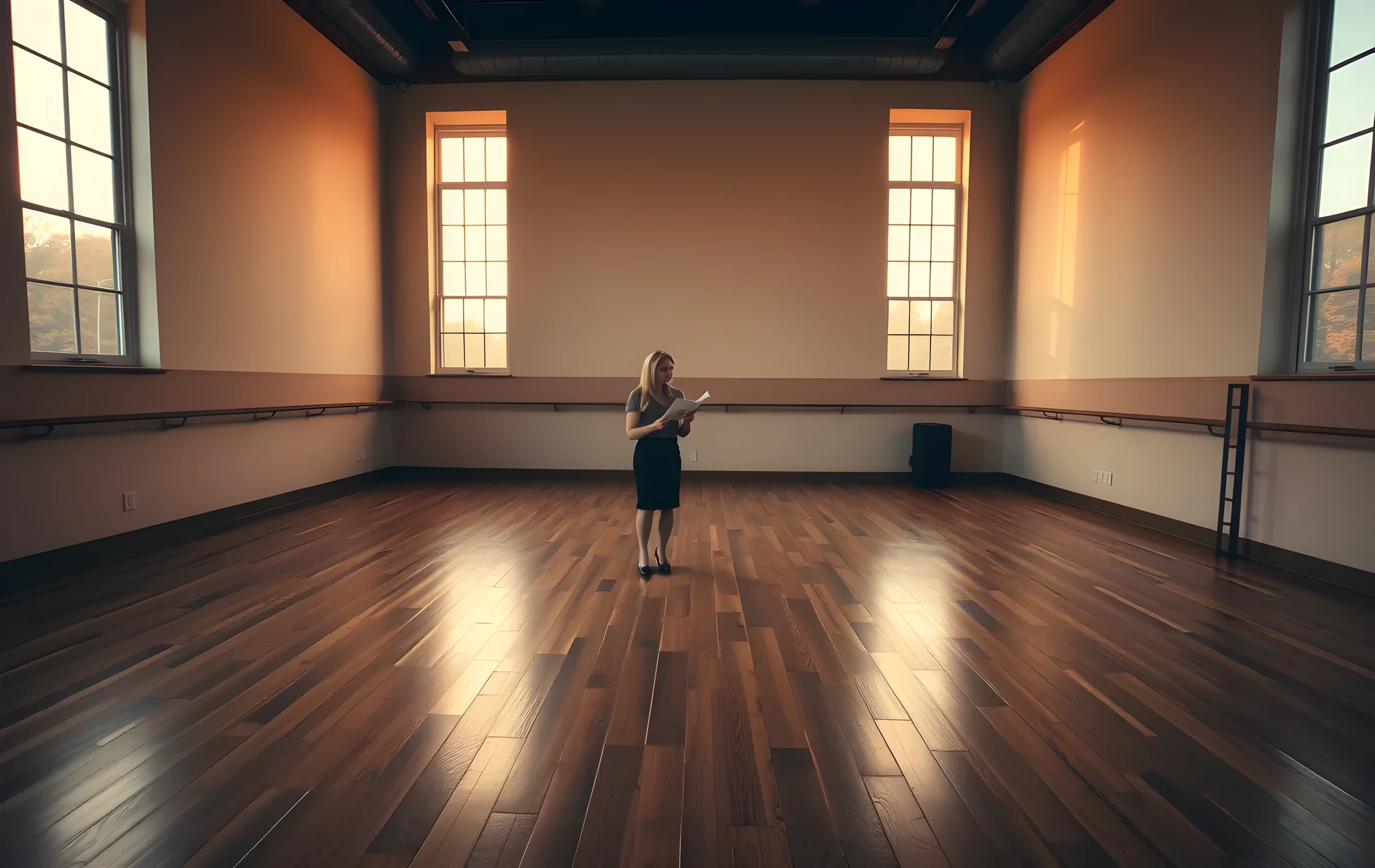
Tears Are a Physical Response
We often mistake the act of crying for an emotional breakthrough, but on stage and screen, it is fundamentally a physiological event. Your diaphragm must release, your breath must catch, and the muscles around your eyes and jaw must relax just enough to allow fluid. I used to think I had to summon grief from my childhood to make it work, but that approach burns you out after the third performance of the week.
Instead, you train the mechanism. You practice the intake of breath, the slight tremor in the vocal cords, and the controlled tightening of the throat. When you isolate the physical triggers, the tears become a reliable instrument rather than a fickle guest. You are not manufacturing sadness; you are building a bridge to where the emotion already lives.
Build Your Emotional Access Library
Every actor needs a personal catalog of sensory memories that reliably shift your nervous system. This is not about reliving trauma, but about identifying specific anchors that naturally produce the physiological state you need. I keep a small notebook of moments that reliably tighten my chest: the smell of rain on hot pavement, the sound of a train arriving late, the weight of a heavy coat in summer.
You must test these anchors in low-stakes environments before bringing them into a scene. If a memory causes you to shut down or hyperventilate, it is useless for performance. The goal is consistent access, not intensity. A director needs you to hit the mark every night, not to risk your mental health for one perfect take.
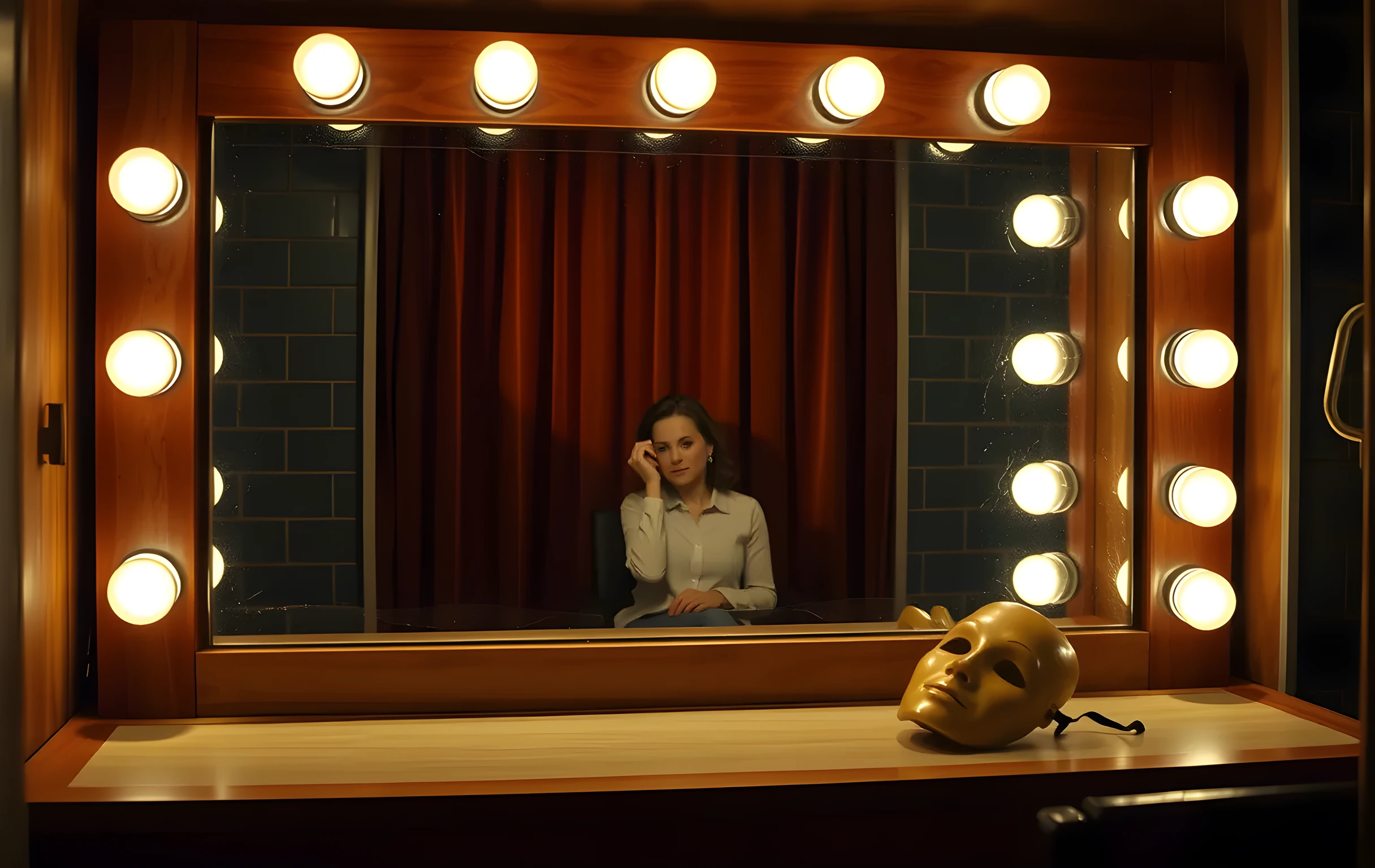
Practice the Exit as Carefully as the Entrance
The most neglected part of this craft is learning how to stop. Crying on cue is useless if you cannot dry your eyes and continue the scene without breaking the other actor. I spent years watching peers struggle because they treated the tears as the climax rather than a temporary state. You must rehearse the release with the same precision you rehearse the onset.
Use a physical reset button. A specific hand gesture, a sharp exhale, or a deliberate shift in posture can signal your nervous system to return to neutral. I always work with my scene partner to establish a quiet cue that means the moment is over. Protecting your emotional bandwidth ensures you can show up fully for the next scene and the next rehearsal.
Trust Repetition Over Inspiration
Stage acting demands reliability, and screen work demands consistency across dozens of takes. Neither will accept the luxury of waiting for the perfect mood. You build this reliability through repetition, running the scene until the physical response becomes muscle memory. The tears will eventually arrive on cue not because you forced them, but because your body recognizes the pattern.
This process removes the pressure from your face and gives you permission to simply do the work. When you stop treating the moment as a test of your sensitivity, it becomes manageable. You are a professional who has trained a specific response, and that training deserves the same respect as any technical skill you have mastered.
Comments
Leave a Comment
Comments appear right away.