How Streaming Giants Actually Cast Actors Today

Introduction

When I first arrived in New York with a duffel bag and a headshot, I asked the exact same question. Streaming platforms do not broadcast open calls or hire through a single portal. They work through established casting directors who mine theaters, regional festivals, and professional networks for performers who bring specific life experiences to the page. Understanding that pipeline changes everything about how you prepare your craft and your materials.

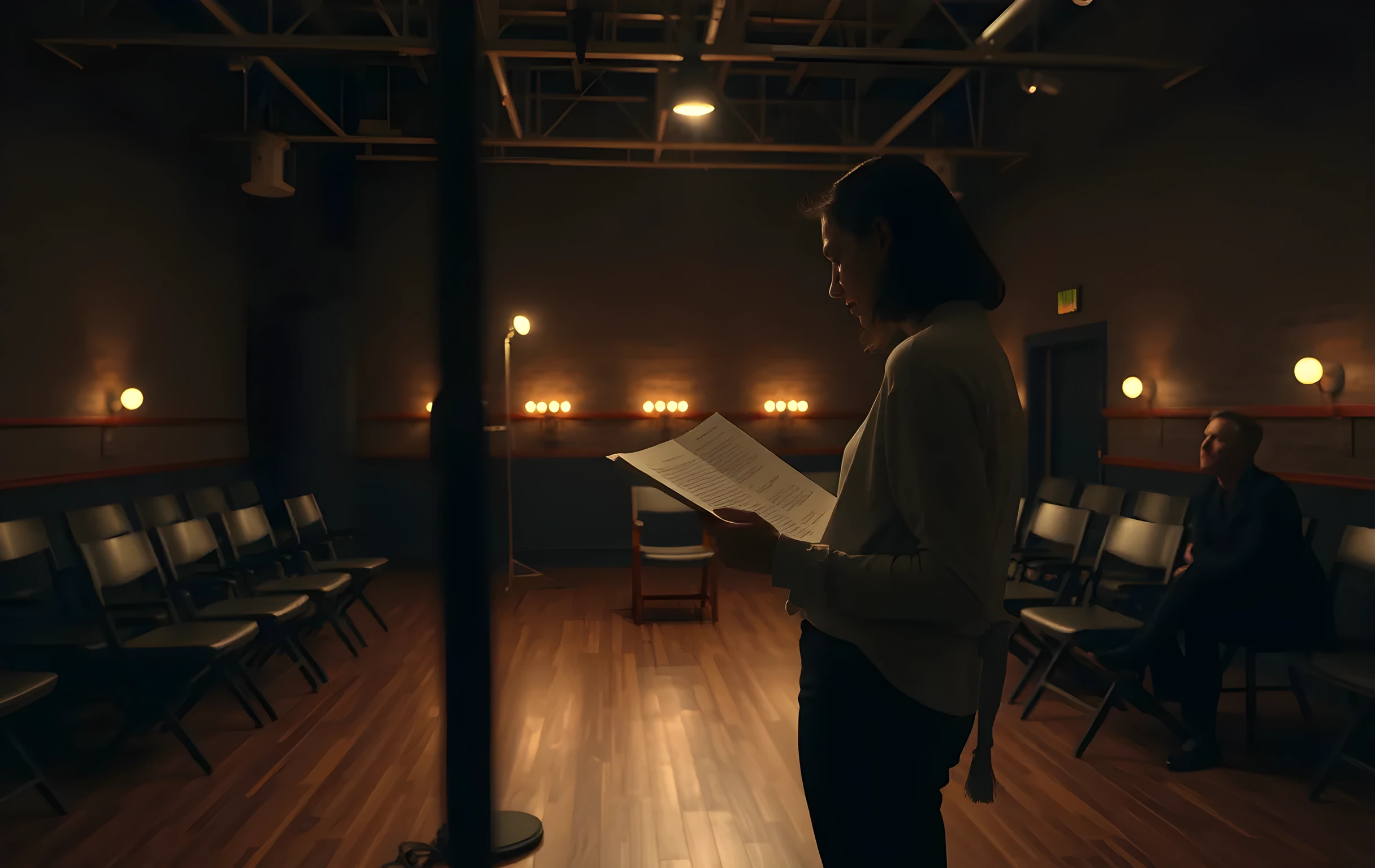
A dimly lit rehearsal studio at dusk where a woman actor stands center floor, reviewing a dog-eared script under a single overhead work light while a director sits quietly on a wooden chair nearby, the room filled with scattered rehearsal chairs and soft amber shadows stretching across the hardwood floor
A dimly lit rehearsal studio at dusk where a woman actor stands center floor, reviewing a dog-eared script under a single overhead work light while a director sits quietly on a wooden chair nearby, the room filled with scattered rehearsal chairs and soft amber shadows stretching across the hardwood floor.

Casting Directors Scout Through Traditional Venues

I spent twenty years watching casting directors sit in the back rows of off-off-Broadway productions, regional equity theaters, and fringe festivals across the country. They are not scrolling through social media for raw footage; they are looking for performers who can hold a scene for ninety minutes without breaking focus. When you build your practice on a stage, you are literally performing in front of the people who will eventually recommend you for streaming roles.

You will notice that streaming casting teams heavily weight live performance history because it proves you can take direction, adjust on the fly, and sustain emotional continuity. I have seen brilliant camera-ready actors bypassed because they lacked the stamina to sit through a three-hour rehearsal block. Your daily discipline in rehearsal rooms, movement studios, and voice labs is what actually gets your name on their shortlists.

Why Regional Work Builds Your Streaming Resume

Streaming networks rely on a tiered submission system that starts at the regional level. Casting associates watch productions in Chicago, Los Angeles, Miami, and Austin before anything reaches New York or Los Angeles. If you treat local theater as a stepping stone rather than a destination, you will see your profile rise exactly where it needs to. I always tell my students to study the subscription seasons of regional houses because those artistic directors frequently serve as consultants for streaming casting.

The technical demands of streaming also differ from the stage, but the core instrument remains identical. You must learn to modulate your energy for the lens while keeping your choices grounded in text. I recommend taking a streaming-specific masterclass that focuses on eye line precision, subtle physicality, and the rhythm of editing. When you understand how your performance will be cut and spliced, your audition materials stop guessing and start targeting.
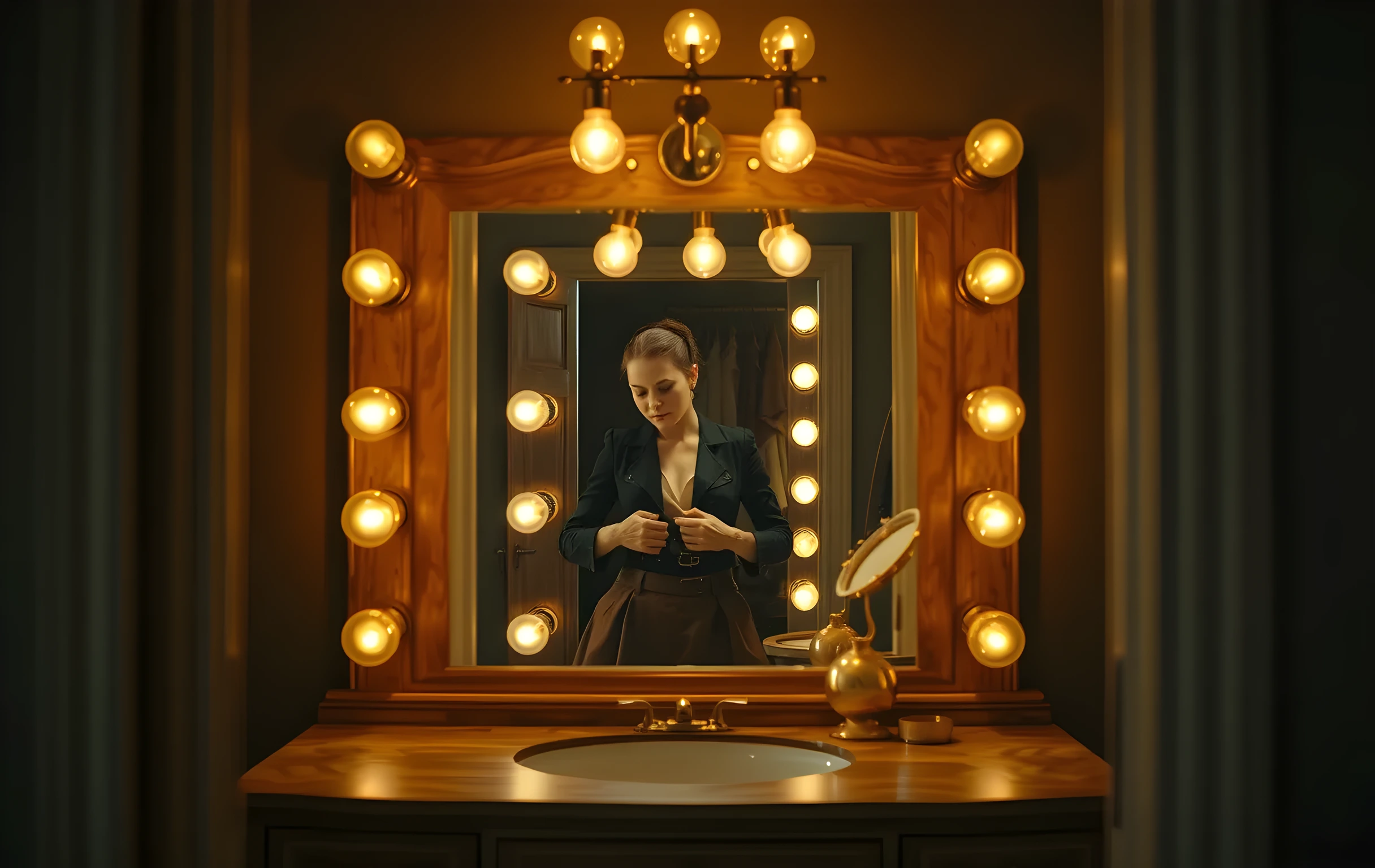
A weathered dressing room vanity illuminated by warm circular bulbs, reflecting a woman actor adjusting a vintage leather costume belt while her reflection looks focused and calm, surrounded by hanging period garments and a small brass mirror catching the quiet anticipation of an evening performance
A weathered dressing room vanity illuminated by warm circular bulbs, reflecting a woman actor adjusting a vintage leather costume belt while her reflection looks focused and calm, surrounded by hanging period garments and a small brass mirror catching the quiet anticipation of an evening performance.

How to Prepare for a Streaming Screen Test

Streaming screen tests are evaluated on technical consistency and emotional transparency, not cinematic production value. Casting directors will watch your self-tape at least four times, checking your breath control, your ability to stay in character between takes, and how you handle a last-minute script adjustment. I advise actors to shoot against a neutral gray backdrop, use natural window light when possible, and keep the camera at eye level to avoid artificial power dynamics.

You must also respect the formatting guidelines your casting director provides, because ignoring them signals a lack of professional reliability. Streaming productions move at a breakneck pace, and they need performers who can deliver exactly what is requested without embellishment. When you strip away the unnecessary movement and let the subtext carry the scene, you give them exactly what they need to pitch you to producers.

Navigating Representation for Streaming Projects

Agents and managers do not chase streaming roles for every actor in their roster; they submit only when the material aligns with a performer’s specific vocal range, physicality, and cultural background. I have spent decades helping actors build submission packets that highlight their bilingual abilities, regional dialects, and lived experiences. When your materials clearly communicate who you are, your representation can advocate for you with precision instead of sending generic resumes into the void.

You will also find that streaming casting increasingly seeks performers who bring authentic cultural texture to historically flat roles. I encourage you to document your training, your stage credits, and your language work in a clean, professional one-sheet. When your agent receives a casting breakdown, they will know exactly which projects match your instrument, and you will stop chasing roles that were never designed for you.

Explore my reels and recent projects.

See My Work

Frequently Asked

Do streaming platforms post public auditions for new actors?

No, they rarely post public calls and instead rely on licensed casting directors to submit vetted performers. You will only see legitimate opportunities through casting platforms like Breakdown Services or through your agent. Treat any website asking for registration fees with immediate skepticism.

What experience do streaming casting directors prioritize most?

They look for performers who have proven stamina, technical precision, and the ability to sustain a character across long rehearsal periods. Strong regional theater credits, independent film work, and consistent workshop participation demonstrate the reliability they need. Focus on mastering your instrument rather than chasing viral moments.

How should I shoot a streaming audition tape?

Keep the frame clean, use a plain backdrop, and match the script’s lighting and framing exactly as specified. Your performance must carry the scene without relying on elaborate props or edited pacing. Casting directors watch these tests repeatedly, so consistency and emotional truth matter more than production value.

Can I get a streaming role without a traditional agent?

Yes, casting directors frequently discover untapped talent through stage productions and independent projects before representation is secured. You can submit directly to breakdown services once you obtain an industry code and headshots. Building a sustainable career requires patience, precise training, and relentless professionalism.

Comments

Leave a Comment

Comments appear right away.

Thank you — your comment is posted.

← Back to the blog