How Actors Cultivate Genuine Tears Without Forcing The Moment

Introduction

When I first stepped onto a New York stage, I thought crying on cue meant squeezing my eyes shut and hoping for a tear. Twenty years later, I know that forced weeping reads as performative and drains the scene of truth. Learning to access genuine emotion is not about manipulation; it is about building a reliable, repeatable internal process.

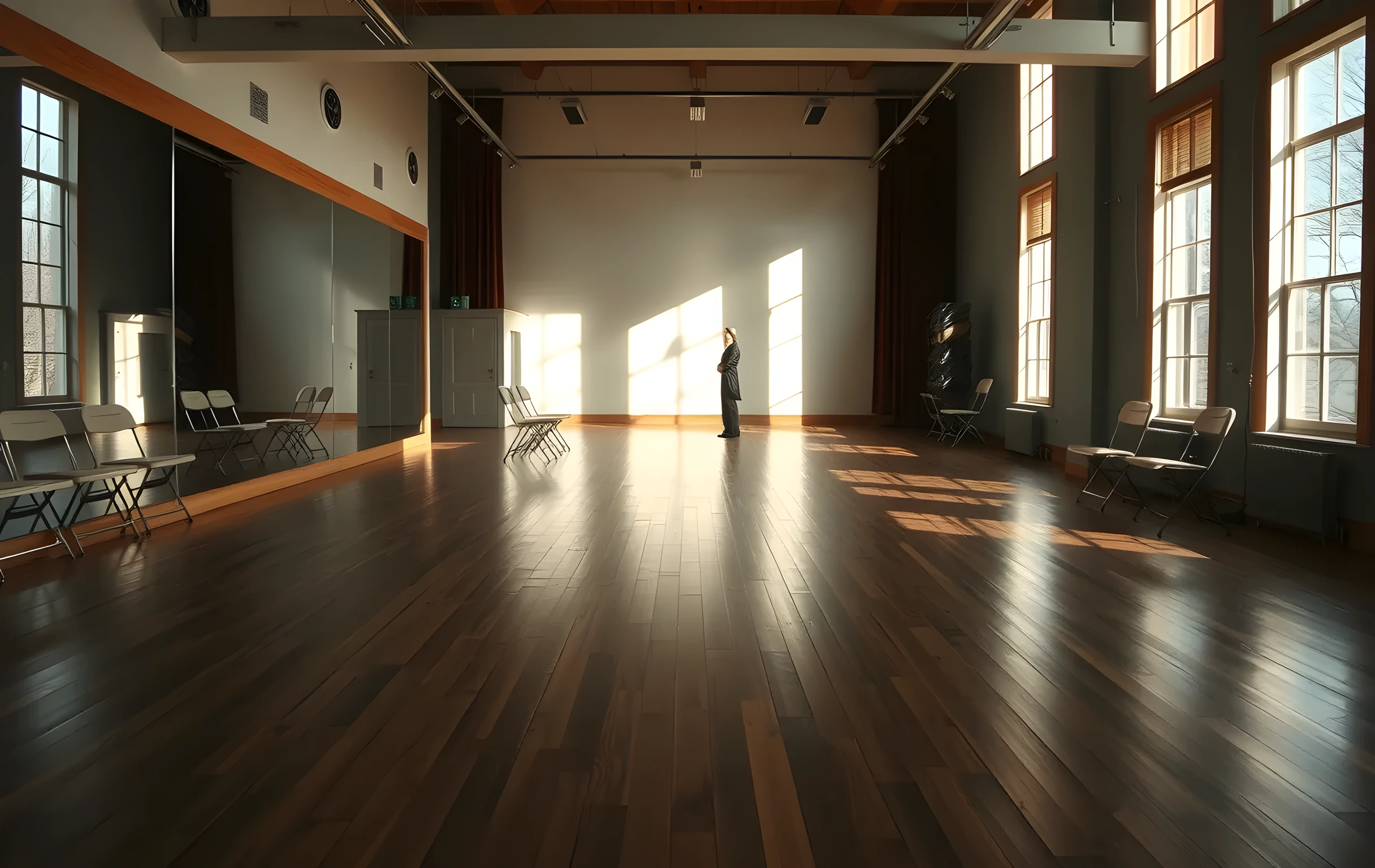
A wide view of an empty rehearsal studio with polished wooden floors and floor-to-ceiling mirrors reflecting a solitary actress standing near the center. The space is bare except for a few stacked folding chairs along the wall, with late afternoon light cutting through tall windows to create long shadows across the floorboards
A wide view of an empty rehearsal studio with polished wooden floors and floor-to-ceiling mirrors reflecting a solitary actress standing near the center. The space is bare except for a few stacked folding chairs along the wall, with late afternoon light cutting through tall windows to create long shadows across the floorboards.

Understanding The Mechanism Behind Tears

I learned early in my career that tears are a physiological byproduct, not the objective itself. When you chase the waterworks, you step outside the character and land on the surface of the emotion. The body only produces moisture when the nervous system registers genuine distress, so we must give it a legitimate reason to respond.

Directors do not cast us to manufacture waterfalls; they cast us to reveal vulnerability under pressure. Instead of focusing on your face, direct your attention to the immediate circumstances of the scene and the unmet need driving your character forward. The physical release will arrive naturally as an echo of that internal pressure.

Building Your Emotional Recall Toolkit

I rely on a carefully curated set of sensory anchors that I can deploy without risking psychological damage. These are not about reliving traumatic memories, but about borrowing the nervous system state of past experiences. A cold draft, the smell of damp wool, or the weight of a heavy coat can trigger the exact physiological response required.

You must map these sensory triggers directly to the character reality. If your character is standing on a subway platform waiting for news, I will use the chill of the tunnel air and the rhythmic screech of brakes to heighten my physical tension. The body does not distinguish between an actor's trigger and the character's circumstance once the pathway is wired.
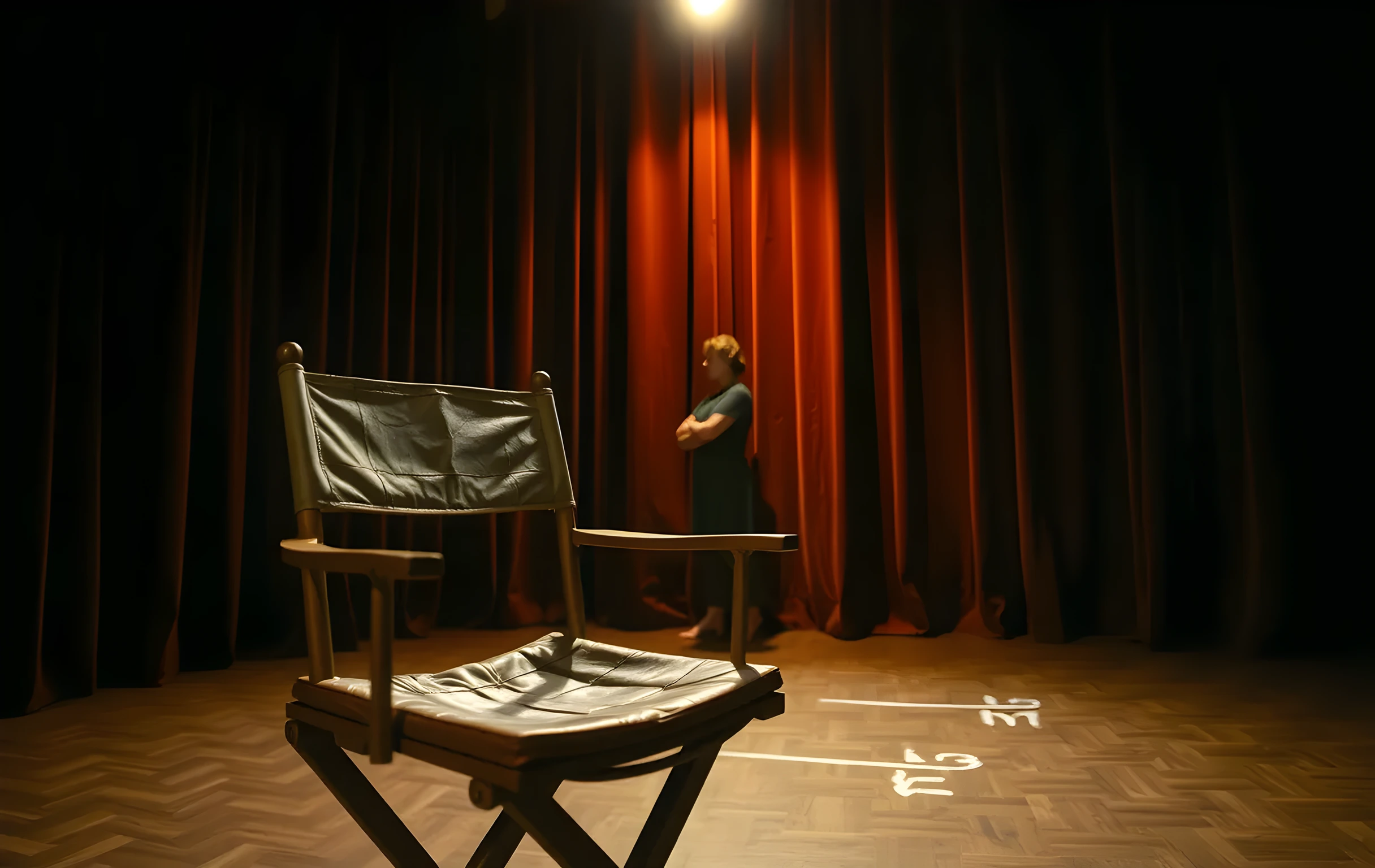
A close detail of a cracked leather director's chair on an empty stage, its worn seat catching the warm amber glow of a single overhead spotlight. In the mid-ground, a woman actor stands near a heavy velvet curtain, her posture relaxed but attentive, as she reviews her blocking marks drawn in chalk on the wooden floorboards
A close detail of a cracked leather director's chair on an empty stage, its worn seat catching the warm amber glow of a single overhead spotlight. In the mid-ground, a woman actor stands near a heavy velvet curtain, her posture relaxed but attentive, as she reviews her blocking marks drawn in chalk on the wooden floorboards.

Practicing Without Burning Out Your Heart

Sustainability is the difference between a working actor and a depleted one. I never leave a scene in the emotional aftermath of a breakdown. We establish a clear ritual for dropping the character, often involving physical shaking, vocal humming, or simply stepping into the light of the stage. This boundary protects your personal life and keeps your instrument intact.

Rehearsal rooms demand repetition, but emotional repetition requires fresh variation. I treat each run-through as a new discovery rather than a mechanical reenactment. When I feel the well running dry, I shift my focus to the subtext and the relationship dynamics rather than forcing the feeling. The emotion returns when the mind engages with the work.

Directing The Release In The Room

On set or in the theater, the environment dictates the approach. I learn to listen closely to my scene partner and let their delivery dictate the timing of the release. A whispered line or a sudden stillness often provides the precise pressure point needed to break through without any conscious effort.

I also use the technical elements to my advantage. The focus of a camera lens or the reach of a stage microphone naturally heightens my awareness. I lean into that heightened state and allow the vulnerability to surface organically. The craft lies in trusting the process enough to surrender control at the exact right moment.

Explore my reels and recent projects.

See My Work

Frequently Asked

Can you cry on cue without feeling sad?

Yes, you access a physiological state rather than a personal mood. The tears are a muscular and glandular response to focused imagination and physical tension. You remain fully present in the character situation while maintaining professional distance from your own life.

How do you prevent crying during every scene?

You reserve genuine weeping for the emotional peaks where the character truly breaks down. For quieter moments, you rely on the threat of tears, which is often more compelling to an audience. This conservation of emotional energy keeps your performance sharp and sustainable.

What if you cannot find a personal trigger?

You construct a fictional sensory anchor that aligns with the character circumstances. This might involve imagining a specific temperature, a particular sound, or the texture of a prop. The mind will accept a vividly imagined stimulus as long as you commit to its physical reality.

Is it safe to work with deep personal trauma?

Professional actors avoid mining their own deepest wounds for material. We use substitution and sensory work to generate the required emotion safely. Relying on your own trauma can damage your mental health and blur the line between your life and your craft.

Comments

Leave a Comment

Comments appear right away.

Thank you — your comment is posted.

← Back to the blog