Selecting a Photographer Who Understands You
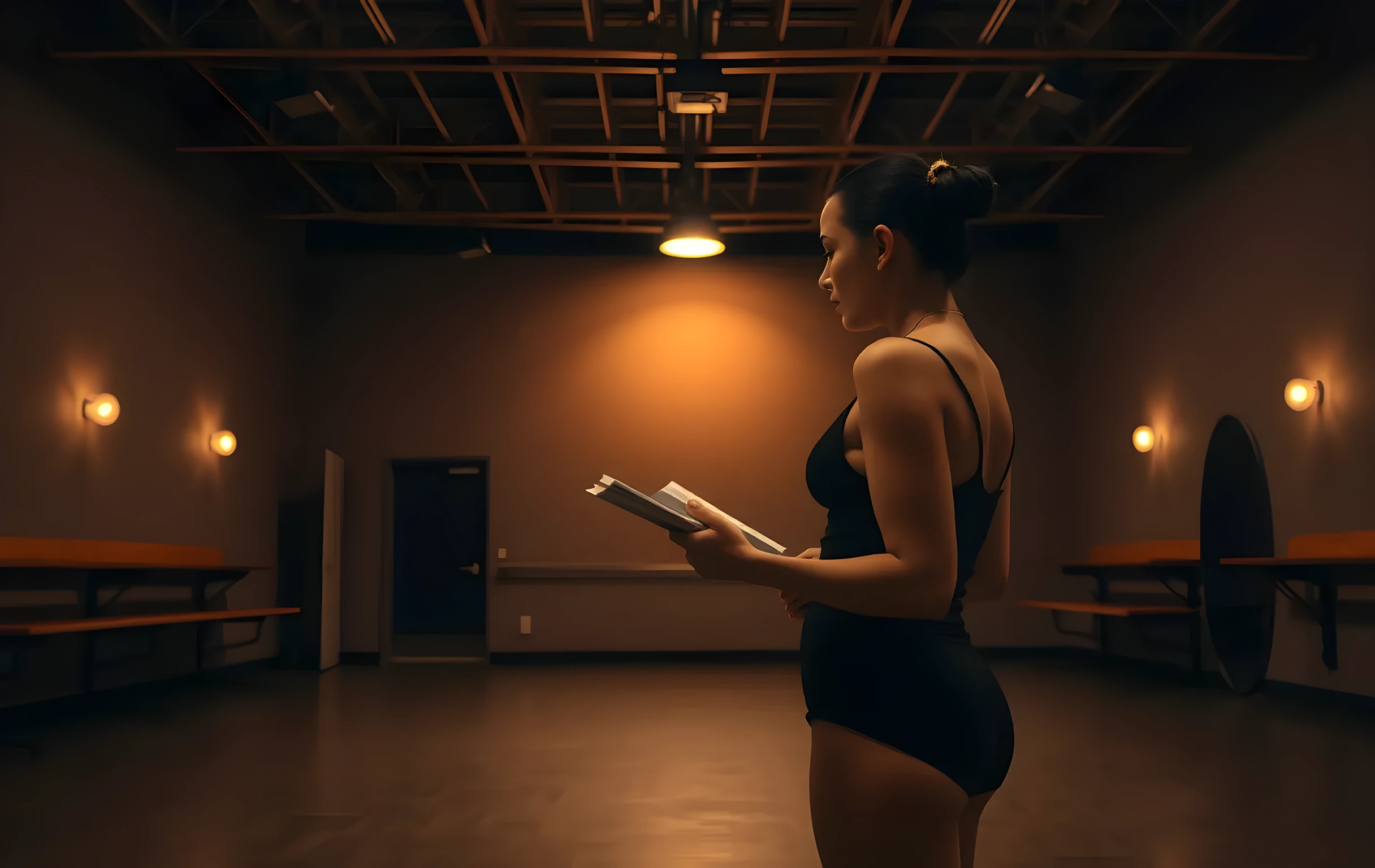
Work with a photographer who actually books actors for the market you are targeting, not someone who only shoots beauty portraits or fashion editorials. In New York, casting directors look for specificity and honesty, so your photographer must understand how to translate your natural presence into a frame that reads correctly under studio lights. Ask to see complete session packages from actors with your exact body type and age range, and discuss your goals before the shoot begins.
Collaboration matters more than expensive equipment, so treat the session as a guided rehearsal rather than a photo shoot. A good photographer will direct you through micro-movements and emotional shifts, capturing the exact moment your guard drops. If they spend more time adjusting your hair than exploring your choices, politely ask for your proofs and move on.
Wardrobe Choices That Serve the Role
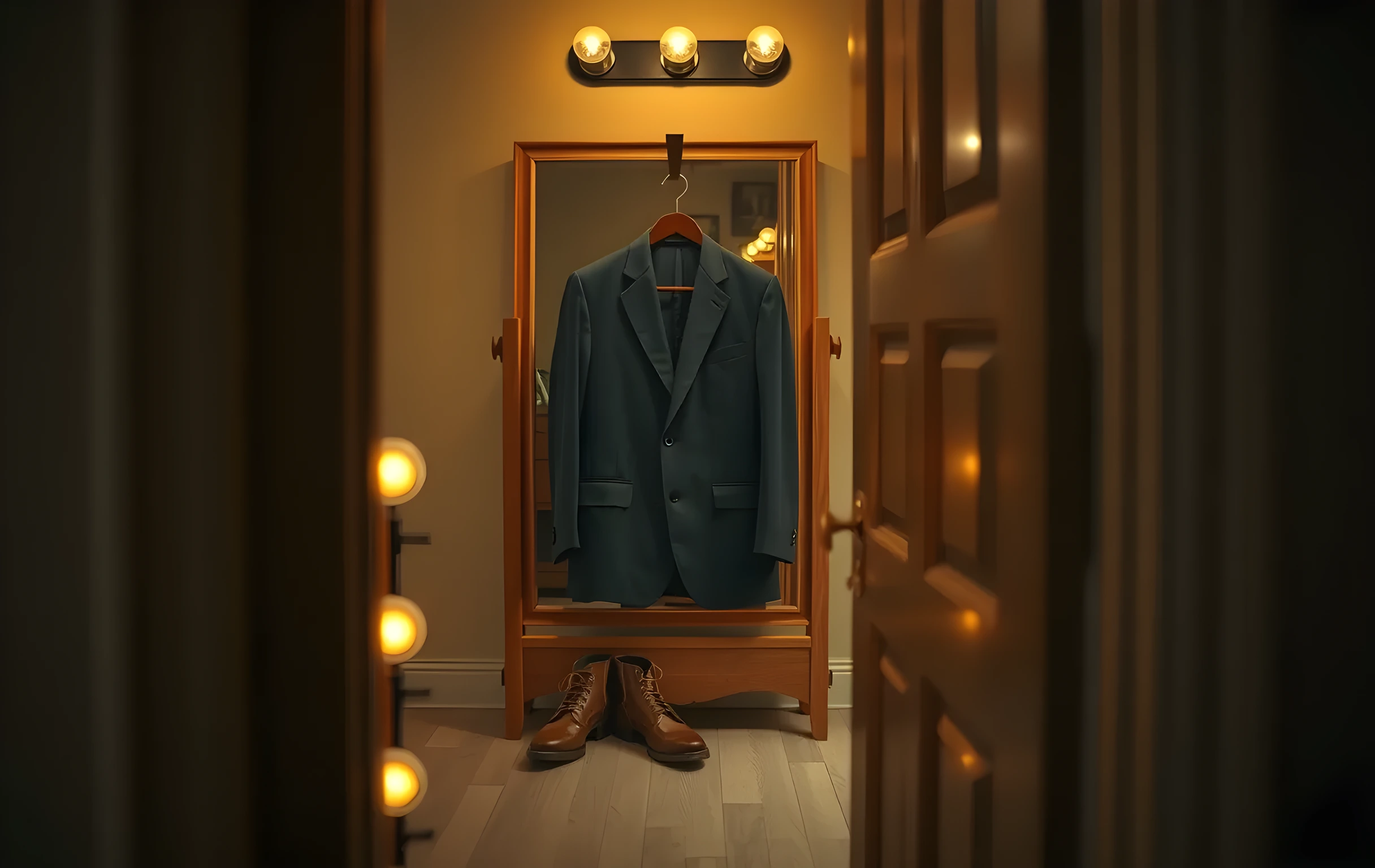
Wear clothing that fits your actual body exactly as it does on a Tuesday morning, avoiding anything that requires constant adjustment or creates unnatural tension. Solid colors in jewel tones or earth tones photograph beautifully, while busy patterns, logos, and overly bright whites will distract from your face. Your clothes should frame your neck and shoulders without competing with your features, so opt for simple necklines and tailored fabrics that drape naturally.
Leave the trendy pieces and costume-like outfits at home, because casting directors need to see your real self, not a character you are pretending to play. If you are pursuing commercial work, choose layers that suggest approachability and everyday life, whereas theatrical roles benefit from darker, more structured silhouettes that convey depth. Always bring your own items that feel like an extension of your daily wardrobe, and test how they move under bright lights before you commit.
Lighting and Expression Over Technical Perfection
Natural light often reveals your skin texture and bone structure more honestly than harsh studio strobes, so request a soft, diffused setup that mimics window light. Heavy retouching that smooths your pores or erases subtle shadows will make you look generic and unbookable, so embrace the natural lines around your eyes and mouth that give your face character. A casting director needs to recognize you instantly when you walk into the room, not wonder who is standing behind the camera.
Focus your eyes on the lens with a quiet internal thought rather than a forced smile or intense stare, allowing your breath to drive the movement in your face. Your expression should feel like a fleeting moment caught mid-thought, not a static pose held for three seconds. When you feel your jaw tightening or your eyebrows raising, pause, exhale, and let your expression settle into something honest and repeatable.
Preparing for the Casting Director Review
Casting directors typically spend less than three seconds scanning a headshot before making a split-second decision, so your image must communicate your type and energy instantly. Provide two distinct shots that show your range without contradicting each other, such as one warm commercial look and one grounded theatrical portrait. Avoid submitting overly dramatic or stylized images that force you into a box you cannot actually inhabit in an audition room.
Treat your headshot as a living document that requires regular maintenance rather than a permanent achievement, updating it whenever your natural appearance or career focus shifts. Keep the digital files clean and properly labeled, and never post heavily filtered versions on social media where they become your public face. When you step into an audition, let your work speak for itself, and trust that your headshot simply opened the door.
Comments
Leave a Comment
Comments appear right away.