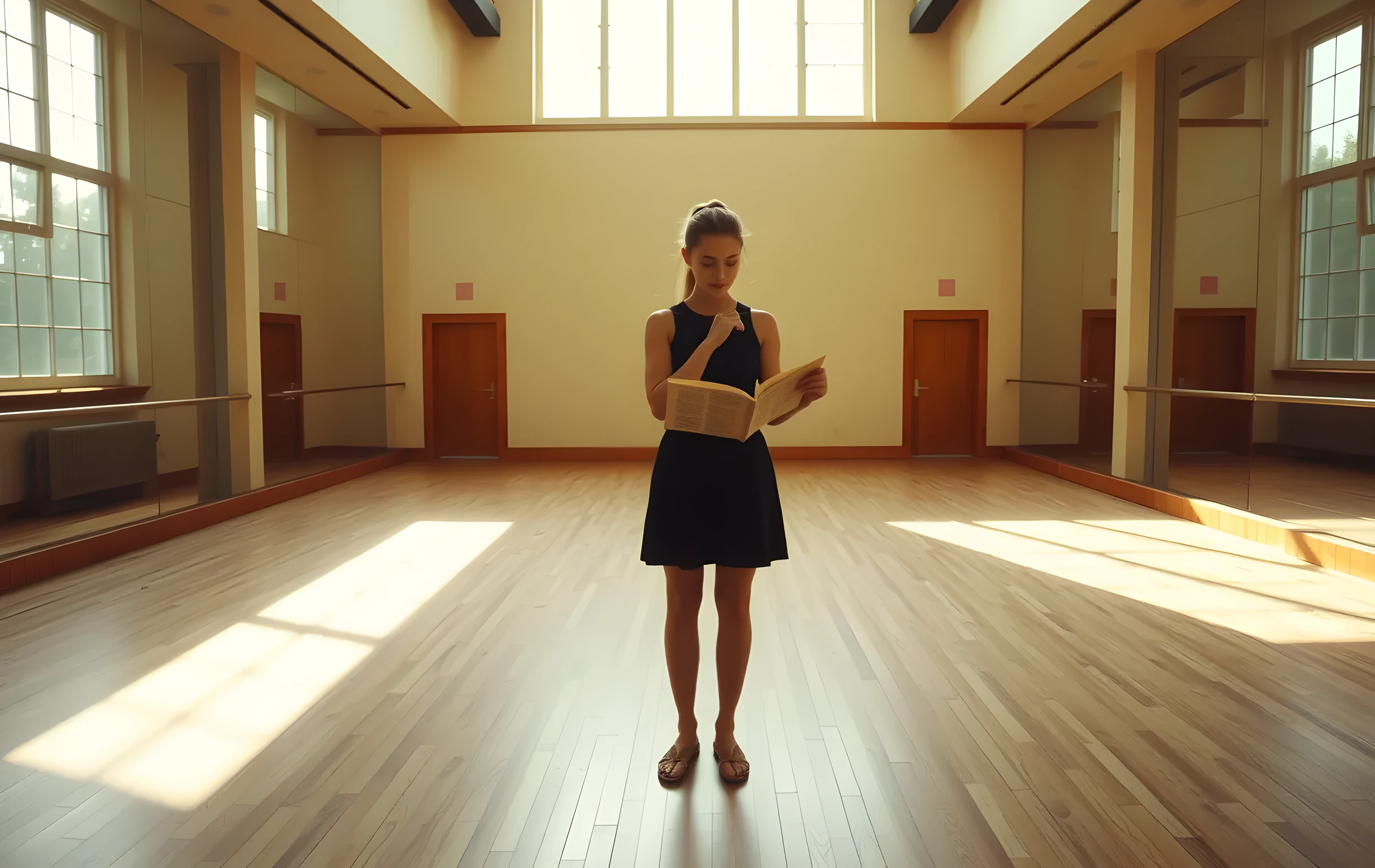
Choosing Scenes That Showcase Your Range
Start by auditing your own strengths rather than chasing what you wish you could play. Pick two contrasting pieces that align with your natural type, whether that is grounded realism, sharp comedy, or period work. Casting directors use your reel to place you in the room, so honesty about your age, energy, and vocal quality will serve you better than forced versatility.
Avoid trending material that everyone else is submitting and instead dig into public domain plays or freshly written scenes from trusted playwrights. If you choose a monologue, select one that allows you to sit comfortably in the emotional arc without relying on external action. A short two-person scene often reveals your listening skills more effectively than a solo piece.
Always secure written permission if you are using contemporary material, and never claim credit for writing or adapting the text. Keep your selections under two minutes each so the editor can highlight your peak moments. Remember that a reel is a calling card, not a resume, and it should only contain your absolute best work.
Finding a Scene Partner and Setting Up
You do not need a professional studio to capture a strong performance, but you absolutely need a committed scene partner. Reach out to acting classmates, local theater groups, or online forums to find someone who can give you consistent notes and match your energy. A reel built with a real partner demonstrates your ability to collaborate, which is what directors actually hire.
Set your camera on a tripod at eye level, ensuring the frame captures your full body or medium shot without cutting off your head or feet. Choose a quiet room with clean, neutral walls and rely on natural light from a window or a single soft key light. Poor audio will ruin a beautiful performance, so record with a lavalier microphone or in a carpeted space that absorbs echo.
Mark your positions on the floor with tape so you can step consistently into focus between takes. Have your partner read their lines from a printed script rather than a phone, and keep the space free of distractions like pets or passing traffic. Treat the setup like a real rehearsal, because that disciplined mindset will translate directly into your performance.
Shooting With Intention and Honesty
Directing yourself while acting is a demanding skill that requires you to trust your instincts over technical perfection. Focus on your scene partner and stay present in the moment, allowing your reactions to unfold naturally rather than forcing a predetermined emotion. The camera captures subtlety, so breathe, pause, and let the subtext drive your choices.
Run multiple takes with slight adjustments in tempo or intention, but avoid repeating the exact same performance over and over. Step away from the camera between takes to reset your mind and return with fresh eyes. Record longer than you think you need, because you will appreciate having options when you later select the most authentic moments.
Do not perform for the lens or lean into the camera to emphasize a line, as this breaks the illusion of the scene. Instead, anchor your attention on your partner or a fixed point that grounds the space. When you finally watch the footage, look for the takes where your face relaxes and your voice loses its rehearsed quality.
Editing and Assembling Your First Cut
Begin your edit by placing your strongest scene first, since casting directors decide within the first ten seconds whether to keep watching. Trim each clip to its most vital moments, removing long setup pauses and cutting directly into the emotional core. Keep the total runtime under two minutes so every second earns its place on the screen.
Use simple, invisible cuts and avoid flashy transitions, music, or text overlays that distract from your work. Add a clean, minimal title card at the end with your full name, representation if applicable, and a direct email address. Export the final file in standard 1080p or 4k h.264 format to ensure smooth playback across all devices.
Share your reel through a private Vimeo link or a dedicated actor profile rather than public social media feeds. Ask a trusted director or acting coach to review the pacing and clarity before you send it out widely. A polished reel is a living document, so plan to update it as you book real projects and gain new material.
Comments
Leave a Comment
Comments appear right away.