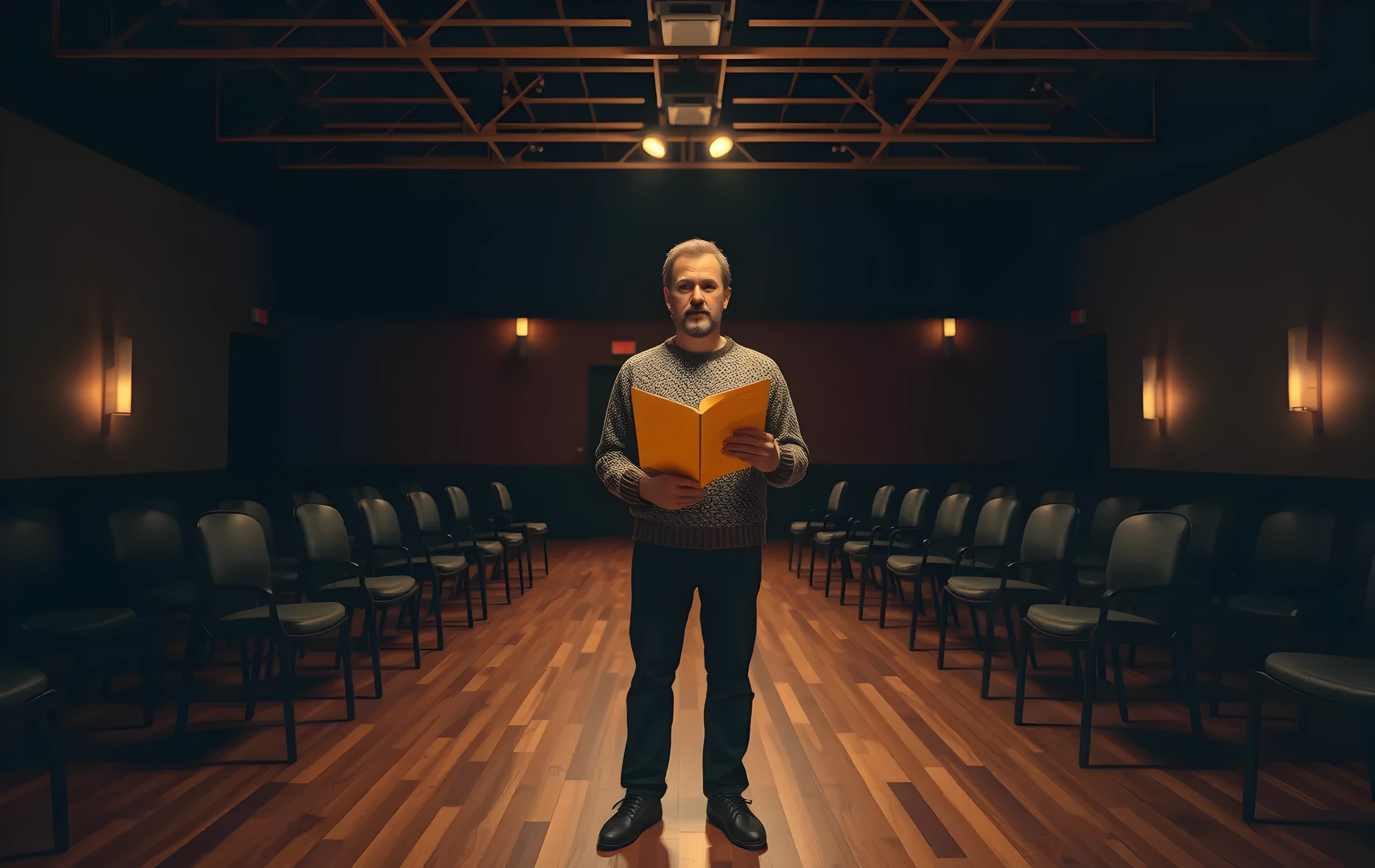
Map Your Own Curriculum With Intention
You must treat your independent study like a conservatory program, which means reading plays from the ground up rather than chasing monologues. Start with a rotating syllabus of Ibsen, Chekhov, and contemporary Latinx playwrights to understand structural rhythm and cultural specificity. Read each text aloud with a partner twice a week, marking beats, objectives, and the physical actions that drive the dialogue.
Pair your textual work with daily vocal and physical conditioning that serves your body rather than strains it. Practice diaphragmatic breathing, articulation drills, and neutral body exercises in front of a mirror, then record yourself to catch tension you cannot feel in the moment. Build a personal archive of exercises that you return to when you feel stuck or when your voice begins to fatigue.
Find Your Community Outside the Classroom
Acting is inherently relational, so you cannot develop your instrument in isolation. Join or form a mastermind group of five actors who meet weekly to exchange notes, run scenes, and hold each other accountable to professional standards. Prioritize groups that challenge your comfort zone rather than those that simply offer praise, because growth lives in the friction of honest critique.
Invest in targeted workshops with working directors and casting coaches who understand the current New York and Los Angeles markets. Attend fringe festivals, off-off-Broadway readings, and independent film shoot days to observe how professionals navigate space, pacing, and technical cues. Give generously to your peers by offering thoughtful table work and emotional support, which naturally builds a network rooted in mutual respect.

Treat Rejection as Data, Not Definition
Every audition is a paid masterclass that reveals exactly what a casting team is searching for in this moment. Record your sides on your phone, watch them back without flinching, and note where your choices align or clash with the director vision. Keep a simple spreadsheet tracking the roles you pursue, the notes you received, and the specific adjustments you made for the next room.
Separate your self-worth from the booking process by recognizing that casting is a puzzle of type, chemistry, and logistical fit. When a callback does not materialize, ask a trusted mentor to listen to your tape and identify one technical adjustment you can implement immediately. This disciplined detachment keeps your craft sharp and prevents the bitterness that slowly poisons a long-term career.
Track Your Growth Through Concrete Milestones
Progress in this work becomes visible only when you measure it against clear, actionable goals. Set quarterly targets such as memorizing a full play in fourteen days, expanding your dialect range, or booking a recurring television guest spot. Review these benchmarks monthly and adjust your practice schedule to address the gaps between where you are and where you want to be.
Know when to transition from self-directed study to professional coaching by recognizing the plateau where you no longer break through barriers alone. Hire a scene study teacher when you consistently struggle with emotional truth, and bring a movement coach when your physical instrument feels restricted on camera. The craft rewards those who remain students long after they stop collecting degrees.
Comments
Leave a Comment
Comments appear right away.