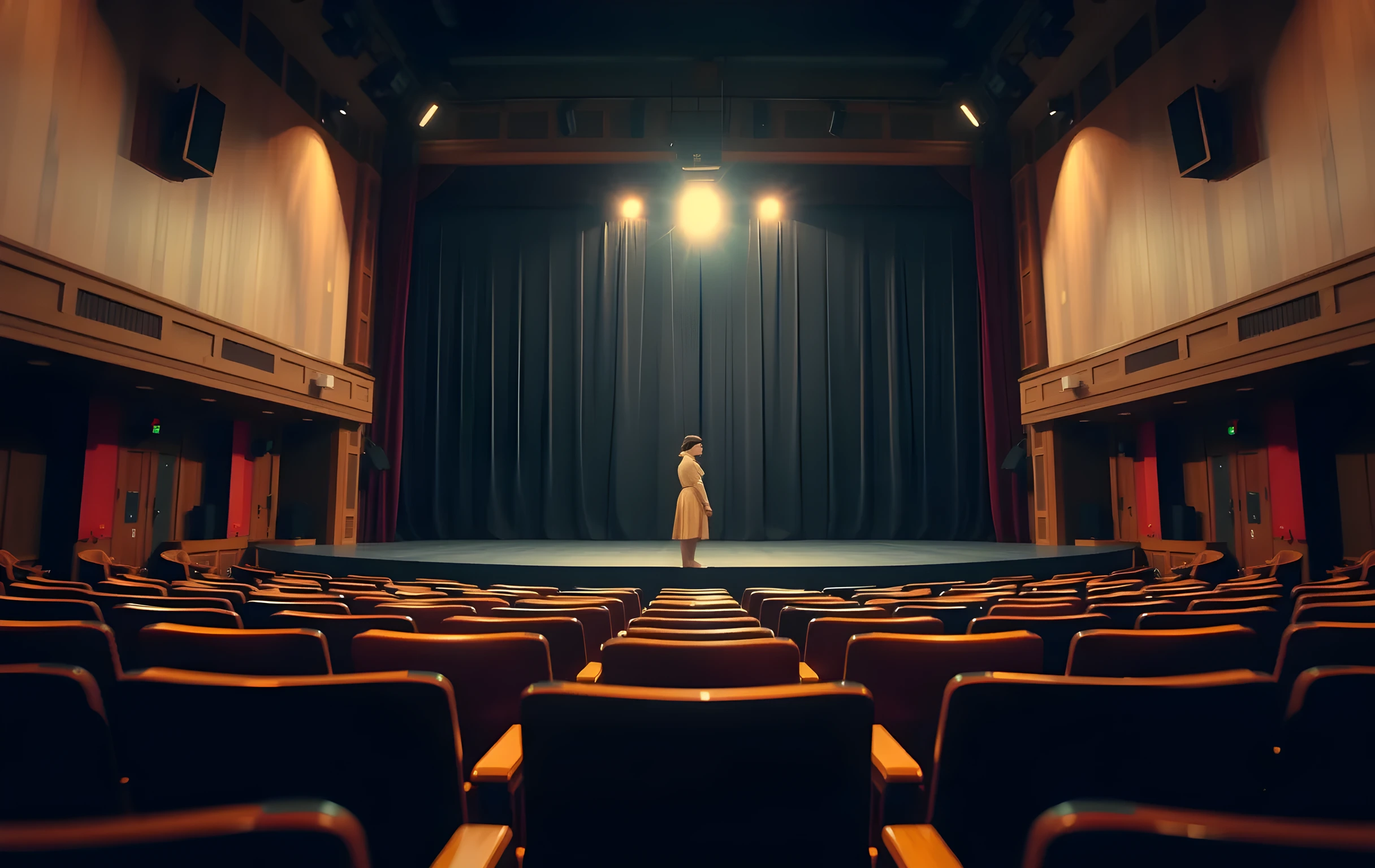
Choose Scenes That Show Your Range
Treat your reel like a gallery wall rather than a storage closet. You need two contrasting pieces that prove you can handle different emotional temperatures, so pick one scene that showcases grounded, quiet realism and another that reveals your capacity for sharp, dynamic conflict. Avoid cutting material that relies on heavy accents or extreme physicality unless those are your actual daily tools, because casting directors hire for consistency, not novelty.
The material must also reflect the specific type of work you are actively booking. If you are auditioning for contemporary family dramas, a period piece where you play a court jester will only confuse the room. Match your scene to your headshot and your natural casting lane, and cut anything that feels like a vanity project rather than a genuine professional tool.
Keep Your Total Runtime Under Two Minutes
Attention spans in casting offices are brutally short, and you have roughly thirty seconds to prove you can hold the frame. Trim every weak beat, remove any setup that does not immediately drop us into the middle of the action, and end on your absolute strongest moment.
Length is also a matter of respect for the professionals reviewing your work. A tight ninety to one hundred twenty seconds signals that you understand pacing, editing, and the collaborative nature of screen work. When you cut with confidence, you demonstrate the same discipline you will bring to a six-day shoot schedule.
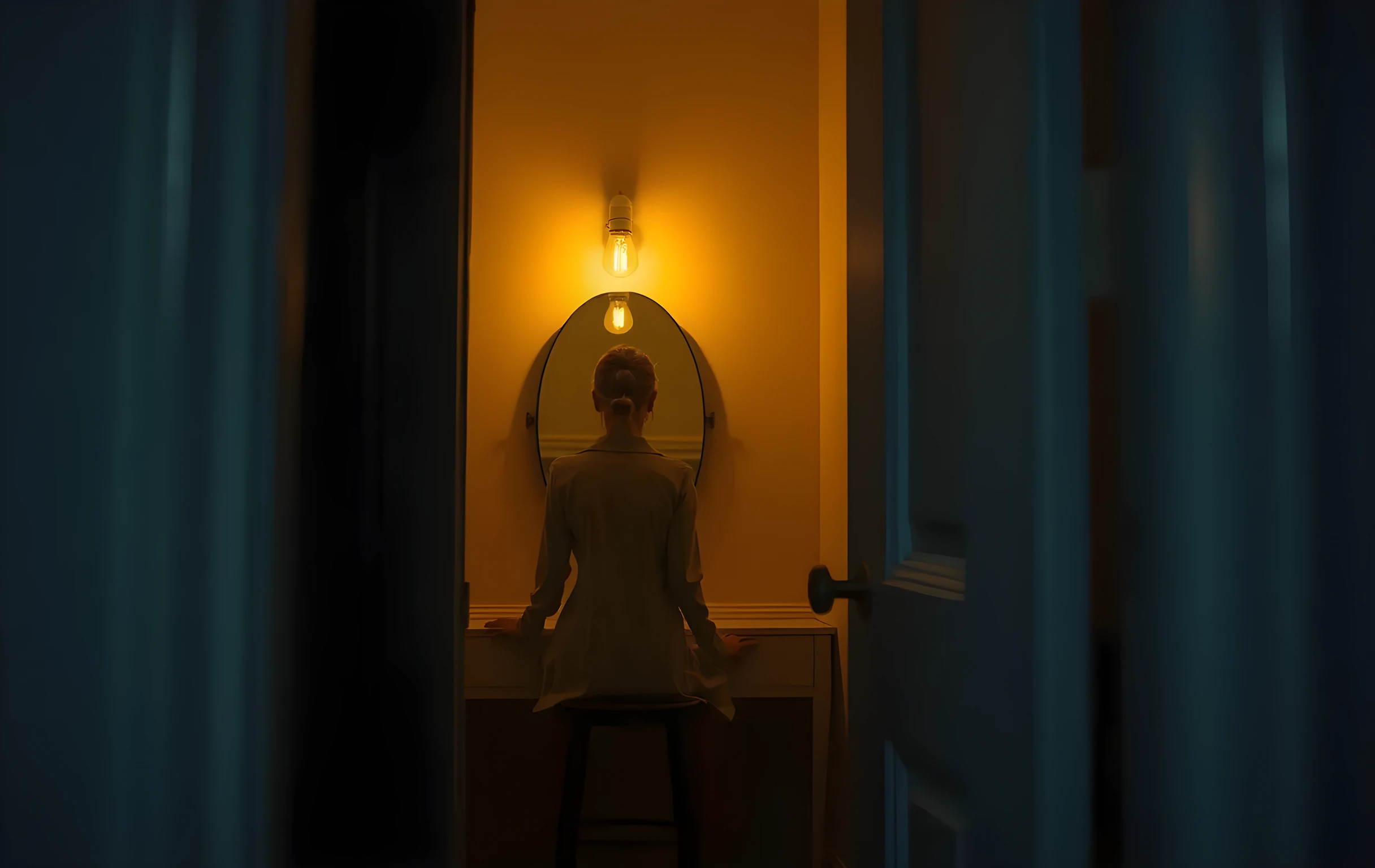
Prioritize Live Dialogue Over Memorized Monologues
Screen acting is fundamentally about listening and reacting, so your reel must center on scene work where you are trading lines with another actor. Monologues belong in a separate compilation, but they rarely translate to screen presence because they lack the essential friction of partnership. Choose clips where your character is actively pursuing a clear objective against resistance.
Casting directors look for the micro-adjustments in your eyes and the way your breath shifts when your scene partner interrupts you. Those unscripted moments of genuine connection are what get you called back, not the ability to deliver a pre-planned emotional speech. If you only have monologues, spend your time building relationships with fellow actors so you can film proper scene work.
Edit With Silence And Clean Transitions
Never place music under your reel, and remove all titles, logos, or production credits from the screen. Casting directors need to hear your actual vocal texture, your diction, and your scene partner’s responses without any auditory distraction. Use simple hard cuts between scenes, and let the natural room tone or clean dialogue carry the transitions.
Technical polish matters far more than fancy editing tricks. A reel with clean audio levels, consistent exposure, and straightforward pacing looks professional, while one packed with slow motion or dramatic zooms looks amateur. Present your work exactly as it will appear on set, because that is the only reality casting directors are evaluating.
Comments
Leave a Comment
Comments appear right away.