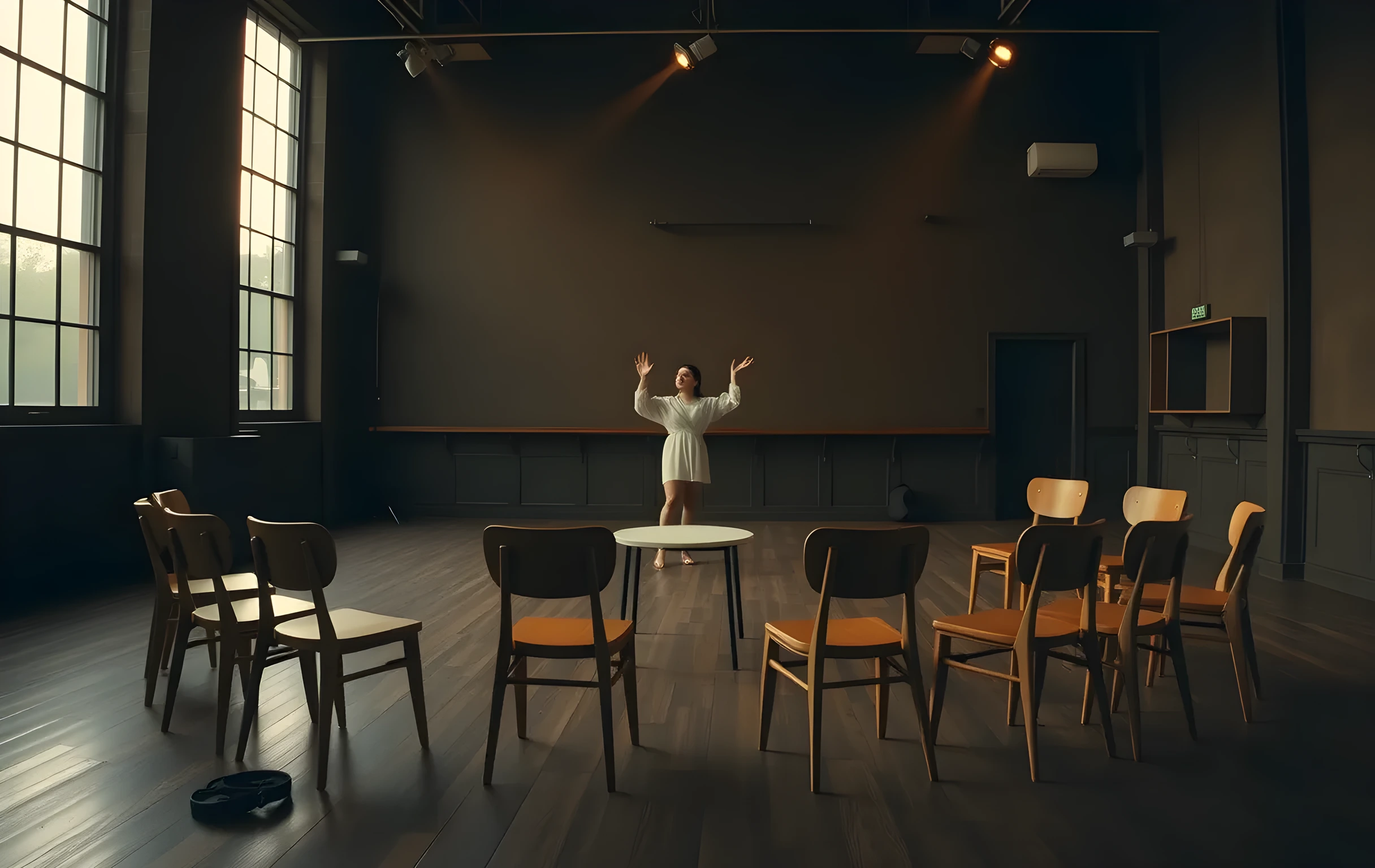
Study the Craft Before You Audition
Focus on foundational technique before chasing roles. Take a beginner acting class that prioritizes text analysis and physical score over improvisation games. Spend your first workshops learning how to breathe through a monologue and how to listen without planning your next line. When you understand the mechanics of scene work, you stop treating auditions like performances and start treating them as collaborative readings.
Read plays aloud with friends, not just scripts. Pick a classic and a contemporary piece, then mark your lines with breath marks, action verbs, and shifts in intention. Record yourself reading a scene, then listen back to catch where you are telling the audience what the character feels instead of letting the choices speak. This quiet, unglamorous work builds the muscle memory you will rely on when casting directors hand you sides at the last minute.
Build Your Toolkit Without a Degree
You do not need a conservatory diploma to begin; you need a headshot, a resume, and a reel that actually shows your range. Start by filming simple, well-lit monologues with a friend holding a camera on a tripod. Keep your framing neutral, wear solid colors, and let the camera capture your full body when the scene demands physicality. Casting directors scan reels quickly, so cut the fluff and put your strongest thirty seconds first.
Assemble a basic resume using the standard theatrical format, even if your credits are blank. List your training, your language skills, and any relevant performance experience like school plays or community theater. As you take classes and work with directors, ask them to verify your credits so you can gradually fill the page with honest, verifiable work. Never inflate your background, because the industry rewards accuracy over ambition.
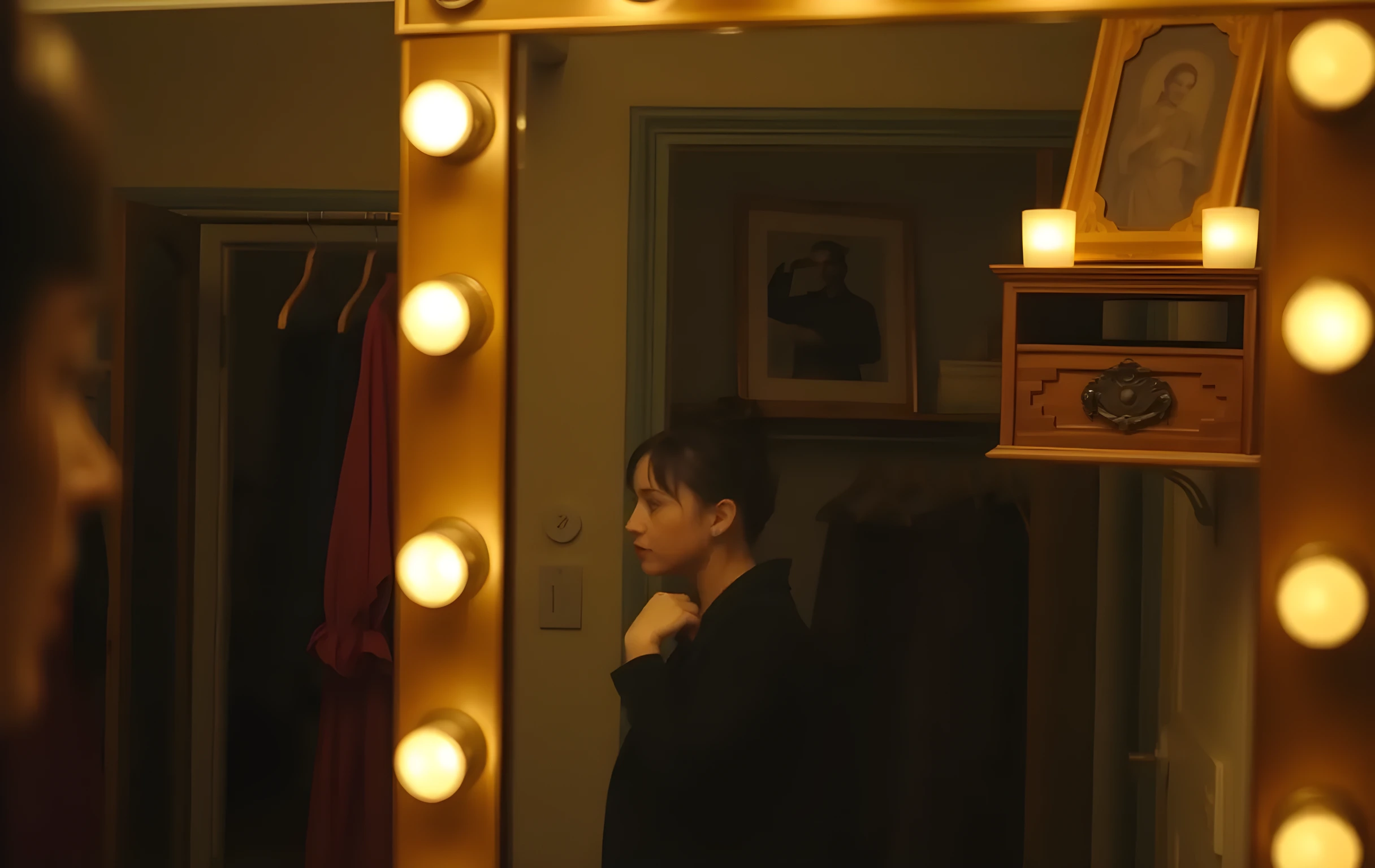
Find Your First Scene Partners
Acting is a contact sport, and you will not learn it alone. Join local ensemble groups, open rehearsals, or student filmmaker projects where the goal is process rather than product. Ask classmates to meet for weekly table reads at a quiet café. Those early partnerships teach you how to adjust your tempo, how to hold space, and how to recover when a line drops.
Approach collaboration with generosity and clear boundaries. Share your goals, ask for specific feedback on your choices, and never treat scene partners as mere tools for your reel. When you build a reputation as someone who listens deeply and prepares thoroughly, directors will notice you in waiting rooms and recommend you for low-budget projects. Trust the slow accumulation of professional relationships over quick viral moments.
Navigate Early Auditions With Grace
Your first auditions will feel like walking onto a stage with no rehearsals, and that is exactly how they should feel. Read the sides once, then let your instincts guide you through a full run-through without stopping. Casting rooms want to see how you make bold choices under pressure, not a polished performance that has been practiced to death. Bring a simple notebook, arrive early, and treat the reader as your scene partner.
Reject the myth that you need to be perfect to book work. Directors cast for specific energy, vocal texture, and presence, not flawless technique. When you leave the room, send a brief thank-you email only if the casting assistant requests it, then immediately pivot to your next project. The work compounds quietly, and your consistency will eventually outpace your competition.
Comments
Leave a Comment
Comments appear right away.