Building Your Technical Foundation Early
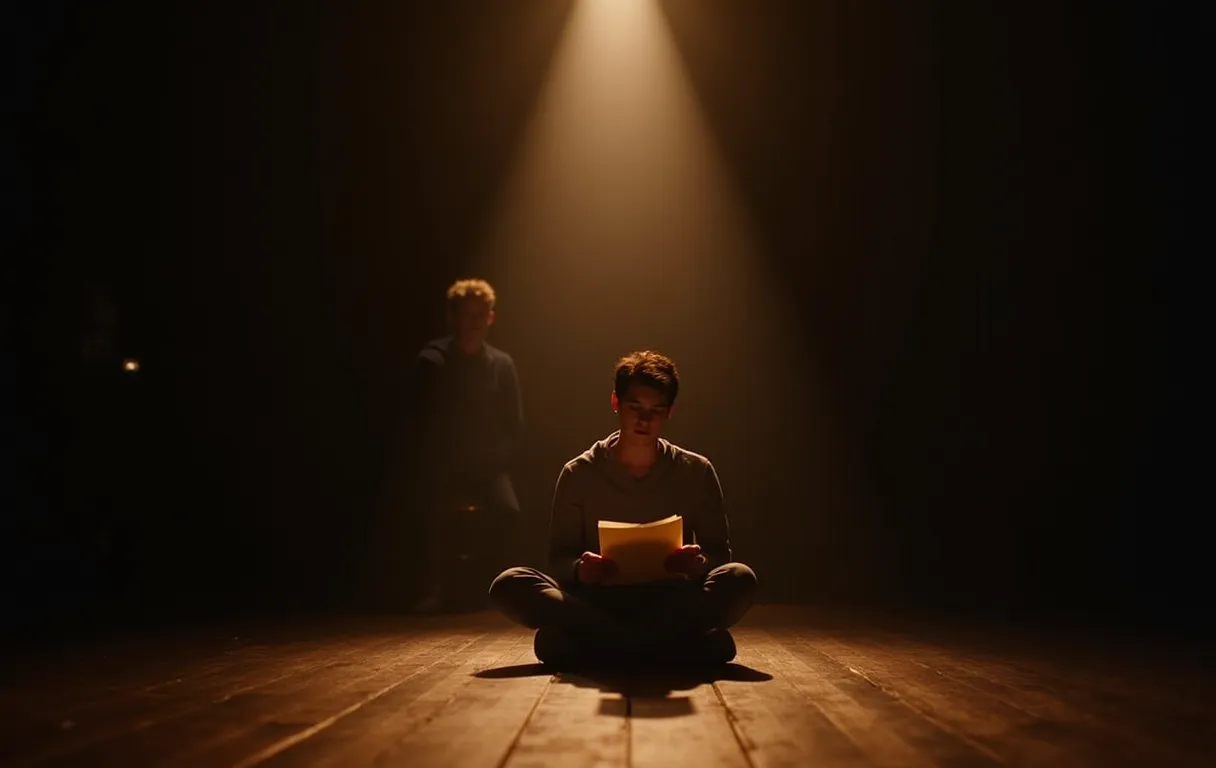
Focus on the mechanics of your instrument before chasing roles. Treat daily breath work and vocal warmups like brushing their teeth, because a healthy speaking voice will carry you through decades of auditions and rehearsals. Spend twenty minutes each morning reading poetry aloud, focusing on clear consonant placement and steady diaphragmatic support rather than trying to sound dramatic.
Learn to break down a scene word by word instead of memorizing lines by rote. Take a short monologue and highlight every verb, then map out what your character wants in each sentence. This analytical habit has served me through more than twenty years on the stage, where the ability to quickly internalize new material separates working actors from hobbyists.
Train your body to communicate without words through consistent movement practice. Whether it is ballet, martial arts, or simple improvisation exercises, physical discipline teaches you how to hold a posture, release tension, and enter a space with intention. Casting directors notice when a young performer can physically inhabit a character rather than simply reciting dialogue from a static position.
Navigating Auditions With Confidence
Approach your first auditions as paid learning opportunities rather than tests of your worth. Walk into the room with a notebook, listen carefully to the director adjustments, and treat every note as a gift that sharpens your craft. Many teen actors stumble because they treat callbacks as judgment calls, when they are actually collaborative rehearsals in disguise.
Prepare two contrasting monologues that showcase different emotional ranges and ages, keeping them under two minutes each. Choose material that fits your natural speaking voice and physicality, avoiding overly complex classical pieces until you have solid technique. When you step up to the mark, make a clear choice, commit to it fully, and be ready to pivot instantly if the reader changes your scene partner.
Understand that casting directors are looking for coachability, presence, and honesty over polished perfection. They want to see how you listen, how you react to unexpected input, and whether you leave your ego at the door. Record your practice auditions on your phone, watch them back, and note where you break character or rush your beats, then rehearse those exact moments until they feel natural.
Protecting Your Creative Energy
Guard your schoolwork and sleep schedule fiercely, because exhaustion destroys emotional availability on stage. Acting demands intense vulnerability, and you cannot access your true feelings when your brain is running on caffeine and missed rest. Build a strict rehearsal calendar so you never show up to a rehearsal or audition depleted, and establish those boundaries now.
Separate your personal identity from your booking outcomes by creating a clear mental boundary after each audition. Write down what you learned from the experience, then physically close your notebook and shift to a non-acting hobby for the rest of the day. This practice keeps you from internalizing rejection and keeps your craft sustainable.
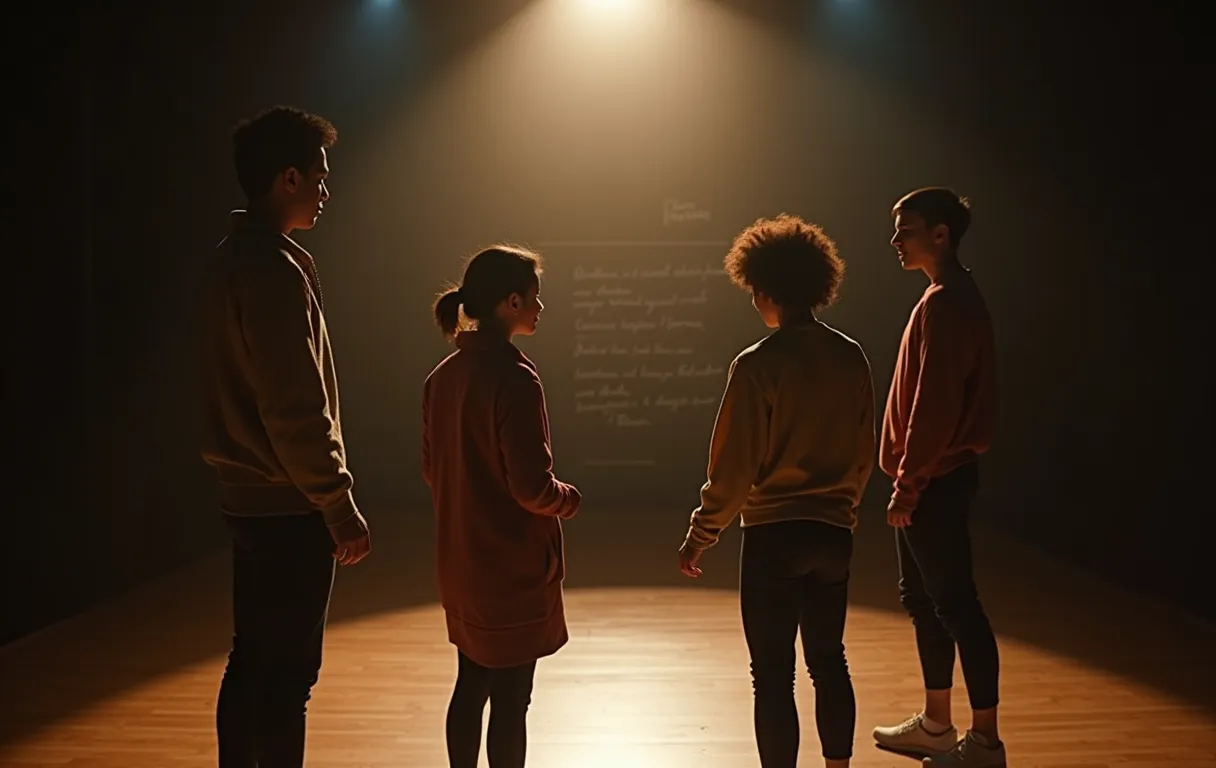
Surround yourself with peers who celebrate collaborative growth rather than competitive comparison. Form a small acting circle where you share scripts, give constructive notes, and practice scene work without judgment. When the industry feels overwhelming, returning to a group that values mutual respect reminds you why you fell in love with storytelling in the first place.
Finding Your First Mentorship Circle
Seek out teachers who prioritize technique over quick fame and who actively share their industry navigation strategies. Ask potential coaches about their current student placements, their approach to vocal and physical safety, and how they handle creative blocks. A true mentor will challenge your choices while giving you the tools to defend your artistic instincts.
Attend local theater workshops and community college acting programs to observe how different directors run rehearsals and structure classes. Take notes on rehearsal room etiquette, how professional actors prepare for cold reads, and the specific questions they ask during post-class critiques. This observational practice will help you recognize which training environments align with your long-term goals.
Build relationships with stage managers and veteran ensemble members who understand the unspoken rhythms of professional theater. Offer to help with set strikes or run lines during tech week to learn how the machine operates behind the curtain. These quiet connections often lead to referrals, character breakdowns, and honest conversations about the realities of sustaining a career.
Comments
Leave a Comment
Comments appear right away.