Setting Up Your Reading Space
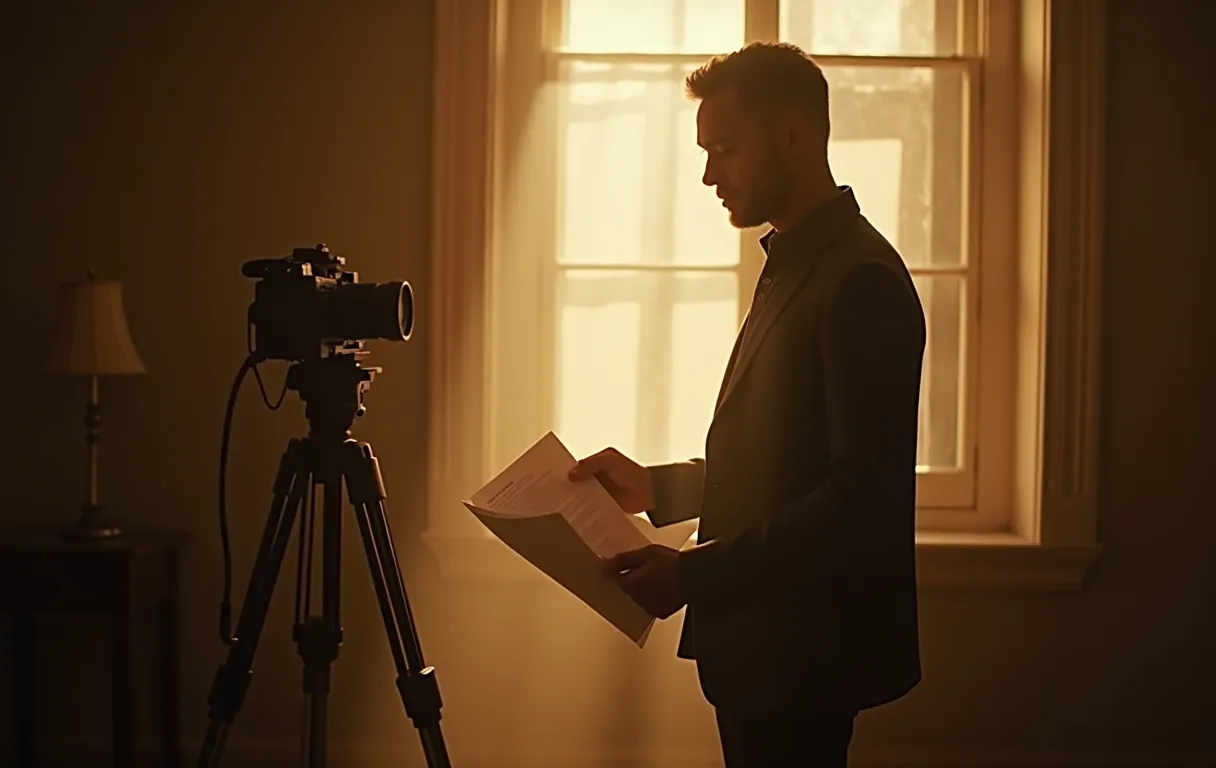
You do not need a soundstage or a professional camera to capture your work. A clean wall, a steady tripod, and a window facing you are enough to begin. I always clear the room of distractions and place a chair exactly where the reader will sit. This physical boundary tells your nervous system that the work is about to start.
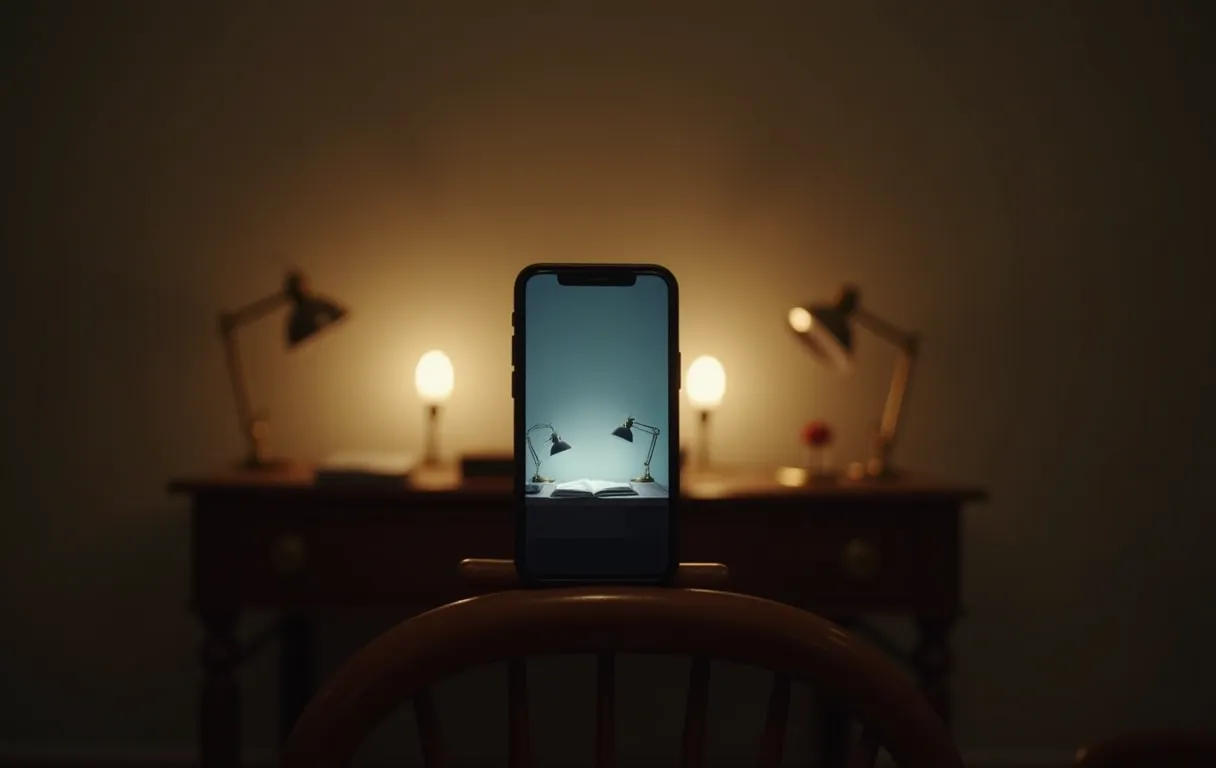
Lighting matters more than camera quality, so I position my main light source at eye level and slightly above. Never place a lamp behind you or let harsh overhead lights create shadows under your eyes. I use two affordable desk lamps with white bulbs to wrap my face in even, shadowless light. The goal is to let the casting director see your eyes without straining.
Frame yourself from the mid-chest up, leaving a small amount of space above your head. Keep the camera at eye level so your gaze remains natural and direct. I tape a piece of paper to the lens edge as a reference point for where to look. This prevents the common mistake of tilting your head or drifting off axis.
Preparing Your Material for the Lens
The camera captures microexpressions that a stage audience never sees, so your preparation must shift accordingly. I stop memorizing lines by rote and instead map out the emotional geography of each moment. When I know the text inside out, I stop reciting and start reacting. This allows my eyes to do the heavy lifting instead of my mouth.
Mark your sides with clear, practical beats rather than abstract directions. I use simple action verbs like push, plead, or retreat that I can actually do while reading. These choices keep my body active and prevent me from freezing into a static reading posture. The camera rewards movement that serves the text, not decorative gesturing.
Run the scene aloud at least three times before hitting record. The first pass is for navigation, the second for rhythm, and the third for commitment. I always keep a glass of water nearby and take a deliberate breath before starting. This ritual grounds my voice and signals to my body that the performance has begun.
Delivering Performance With Authenticity
Casting directors do not want to see you act on camera. They want to see you listening and thinking in real time. I treat the reader as a living person who is responding to me, not a prop holding a script. When I imagine their reactions, my responses become immediate and unforced.
Keep your energy grounded and your voice at a conversational volume. Overprojecting kills intimacy and makes your delivery feel theatrical rather than truthful. I drop my shoulders, relax my jaw, and speak as if I am sharing a secret across a table. The lens naturally amplifies subtle shifts, so trust that quiet intensity.
Allow yourself to make mistakes and keep moving forward. Perfection is the enemy of connection on camera. I never stop a take for a flubbed word unless the meaning changes. Casting directors hire the actor who commits to the truth of the moment, not the one who chases technical flawlessness.
Reviewing and Refining Your Process
Watching your own footage feels uncomfortable at first, but it is the fastest way to improve. I review my tapes with the volume off to check my body language and frame. Then I watch with sound to hear if my choices land clearly. This two pass method reveals exactly where my preparation needs adjustment.
Compare your tape to the casting breakdown without punishing yourself for every difference. Look for moments where your instincts aligned with the character and moments where you defaulted to habit. I keep a simple journal noting which techniques worked and which felt forced. This record becomes your personal coaching guide over time.
Share your work with a trusted acting partner who can give specific, actionable notes. Vague praise does not help you grow, but precise feedback about your pacing and focus does. I always ask my scene partner to point out where they stopped believing me. That honest mirror is worth more than any expensive masterclass.
Comments
Leave a Comment
Comments appear right away.