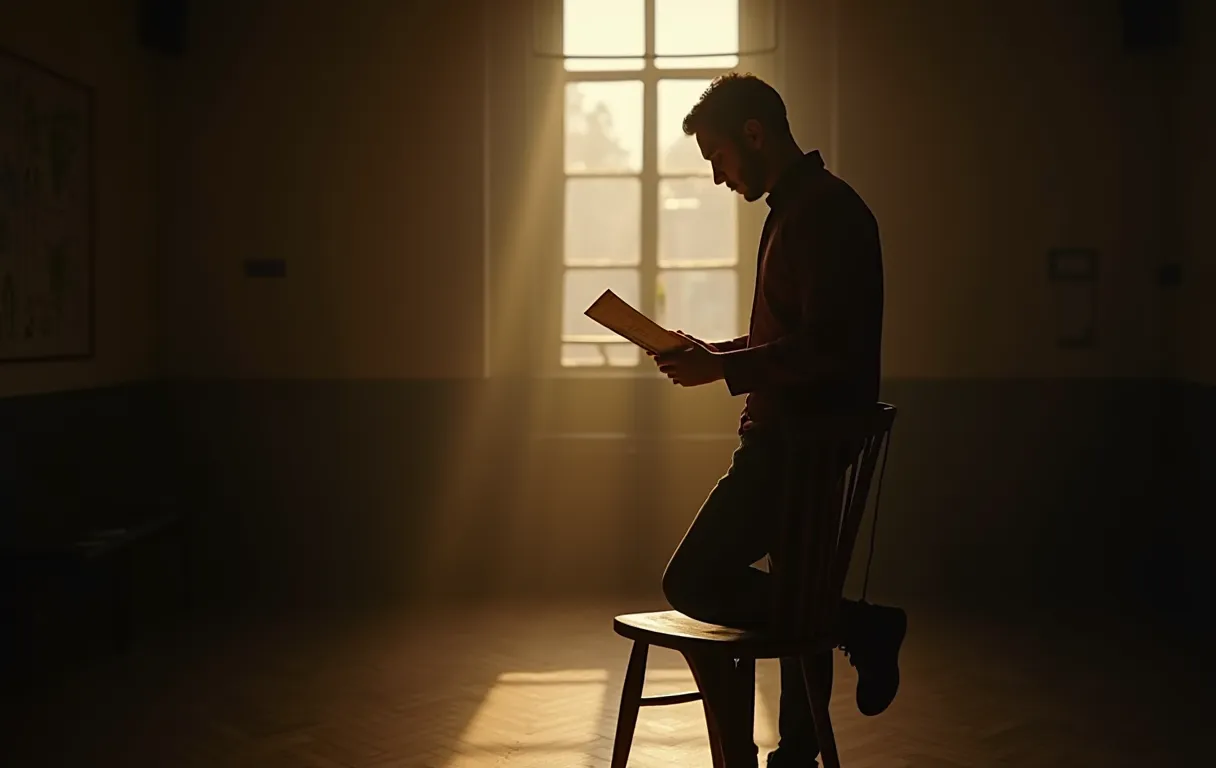
Understanding Who Your Character Truly Is
Who asks for the basic architecture of your person. You must know their age, occupation, relationships, and physical history, but I always dig past the resume. Who is this person when no one is watching? What do they carry in their pockets, and what do they keep locked in their chest? On the stage, I learned that specific physical details change how you walk into a room, so I always decide if my character favors their left leg or keeps their shoulders tight from years of carrying invisible weight.
This question also demands you define their relationship to everyone else in the scene. A line read to a lover sounds completely different than the same line read to a stranger who just betrayed you. I always map out the emotional history before I pick up a script, because knowing exactly who you are to the other actors gives your voice its natural direction. When you stop guessing and start knowing, your presence stops competing with the text and starts serving it.
Clarifying What Your Character Actually Wants
What is the most critical question in acting, and it always comes down to objective. You must state your goal in an active verb that you can pursue across the stage or camera frame. I never use vague words like to love or to be happy because you cannot play those directly. Instead, I choose verbs like to convince, to protect, to provoke, or to unmask, which give my body something concrete to do in every moment.
Once you have your objective, you must identify what stands in your way. The obstacle creates the friction that makes the performance visible. When I work on a scene, I ask myself what the other person is doing to stop me and how I react when my usual tactics fail. That shift from confident pursuit to desperate adaptation is where the truth lives, and it is exactly what casting directors notice when they sit in the dark.
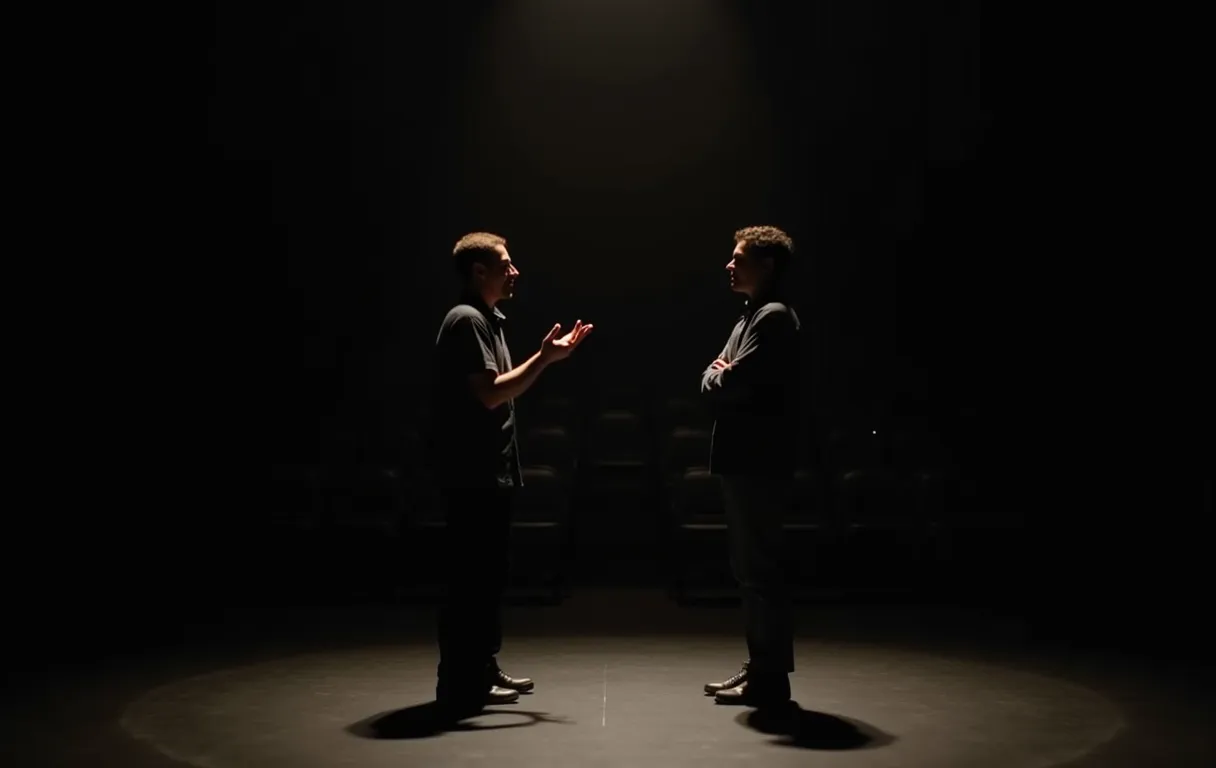
Pinpointing Where the Scene Takes Place
Where demands that you respect the physical environment as an active participant in your choices. You cannot deliver a believable performance if you are ignoring the temperature of the room, the texture of the chair, or the exact layout of the space. I always walk through the blocking during rehearsal and touch every prop, because tactile feedback grounds your nervous system and stops you from floating in your head.
The location also dictates your social behavior and volume. A whisper in a library carries a different weight than a shout in a crowded subway car, and your body must reflect those acoustic and cultural boundaries. When I step into a new set, I study the architecture and the historical context of the place. Knowing where you are gives your posture its reason and stops you from performing a generalized emotion instead of a specific reality.
Establishing When the Moment Unfolds
When requires you to locate the precise temporal context of the scene. You need to know the year, the hour, the season, and exactly how much time has passed since the last event in the character's life. If a character just woke up after a sleepless night, their movements will drag and their eyes will search for light. If they are rushing to catch a train, their breath will sit higher and their hands will move with frantic precision.
I always ask my rehearsal partners what happened in the scene five minutes before the curtain rises, because that invisible timeline shapes your starting point. When you anchor yourself in a specific moment, your reactions stop feeling rehearsed and start feeling discovered. The clock is always ticking in a room, and acknowledging that pressure gives your silence its tension and your dialogue its urgency.
Uncovering Why the Character Makes Choices
Why is the emotional engine that connects all the other questions into a coherent human being. You must understand the motivation behind your objective, because motivation is what justifies your tactics when the scene grows difficult. I never play a choice without tracing it back to a personal need, whether that need is survival, dignity, connection, or revenge. When you know why you are fighting for something, your body stops performing and starts surviving.
This question also protects you from moral judgment, which is the quickest way to kill a scene. Your character never believes they are the villain, so you must find the noble or necessary reason for every decision they make. I always write down the justification for my actions in the margins of my script, and I revisit it when I feel lost. When your choices are rooted in clear intention, the audience will never question your humanity, even if your character does terrible things.
Comments
Leave a Comment
Comments appear right away.