
Build a Reliable Pre-Audition Routine
I still begin every audition day with a twenty-minute physical and vocal check. I stretch my diaphragm, roll my jaw, and run through a cold read of a scene I know by heart. This anchors my nervous system and reminds me that my instrument is ready, regardless of what the script demands next. You do not need to memorize the room; you only need to trust your preparation.
Next, I isolate the character’s objective in a single active verb. Instead of vague notes like sad or hopeful, I write down wants like claim or unmask. This gives my choices a spine and prevents me from playing an emotion that casting directors cannot watch. When you walk into the room with a clear verb, your scene breathes with intention rather than explanation.
Finally, I practice the material out loud at least three times before I step on set or into the theater. Reading silently creates an illusion of familiarity that vanishes the moment you speak. Hearing your own voice navigate the punctuation and pauses builds muscle memory. That repetition becomes your safety net when the reader forgets their lines or the camera rolls unexpectedly.
Master the Room Before You Enter It
The moment you step into the audition space, your first task is to ground your feet. I plant my weight evenly, drop my shoulders away from my ears, and take one quiet breath before I speak. This physical reset signals to my brain that I am here, not in my head. Casting directors notice that stillness more than any flashy choice you might make on the spot.
I also treat the reader as a living scene partner, not a prop or a judge. I look at them, listen to their pacing, and let their energy shape my responses. In my early years, I would rush through my lines to get to my big moment, which only closed off my listening. Now I let the scene breathe, because authentic connection always reads louder than technical perfection.
When the director interrupts or gives a note, I receive it with a simple thank you and adjust immediately. I never explain my previous choice or defend my work in the room. The note is a key, not a critique of my worth. I treat it as an invitation to play differently, which keeps the process collaborative and frees me to explore new territory.
Translate Directions Without Losing Your Truth
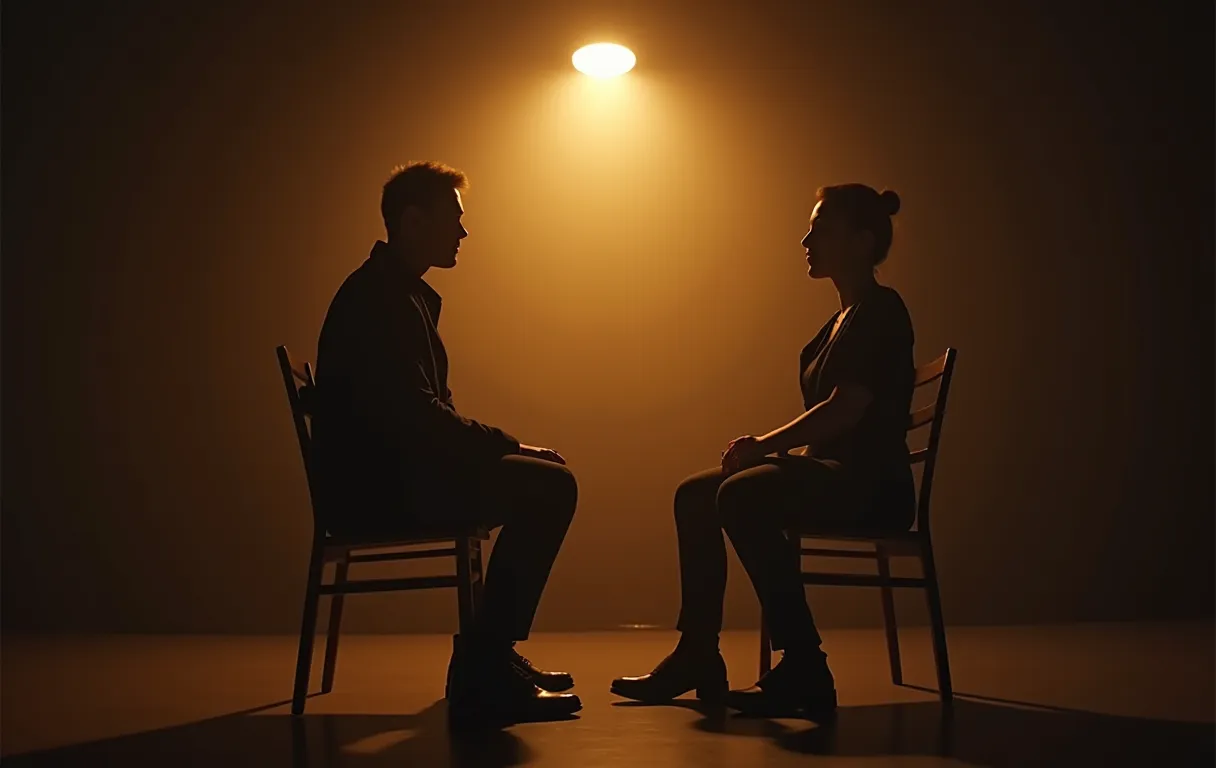
Directors will often ask you to play the scene differently, sometimes multiple times in the same session. I keep a mental list of adjustable levers: tempo, volume, location, and relationship. If they want it quieter, I do not just lower my voice; I shift the objective inward and make the choice more intimate. This keeps the adjustment specific rather than abstract.
I also remind myself that a direction is rarely about fixing a mistake. It is about finding a different angle that serves the story. When I hear a new note, I pause for two seconds, let the information land, and then commit fully to the new path. Hesitation in the room reads as doubt, while immediate commitment reads as professionalism.
Over my twenty-year career, I have learned that versatility does not mean losing your core. I bring the same character foundation to every adjustment, only changing the surface texture. This approach prevents me from becoming a puppet on a string and allows me to remain grounded while still being flexible. You can honor the director’s vision without sacrificing your artistic integrity.
Exit Without Carrying the Weight Home
Leaving the audition room requires the same discipline as entering it. I thank the casting team, gather my materials, and walk out with my posture still upright. I do not apologize for my performance or analyze my choices in the hallway. The work is done the moment you step across the threshold, and carrying it home only breeds resentment.
I immediately follow the audition with a physical reset and a brief journal entry. I note what felt solid, what felt shaky, and what I want to explore next time. This practice transforms the experience into a learning tool rather than a judgment. You cannot control who books the job, but you can control how you grow from each opportunity.
Finally, I treat every audition as a paid rehearsal where the real reward is the craft itself. When you detach your self-worth from the booking, you free yourself to take risks and play bigger. The industry runs on repetition, and your consistency in preparation will eventually outlast any single rejection. Trust the process, keep your instrument tuned, and keep showing up.
Comments
Leave a Comment
Comments appear right away.