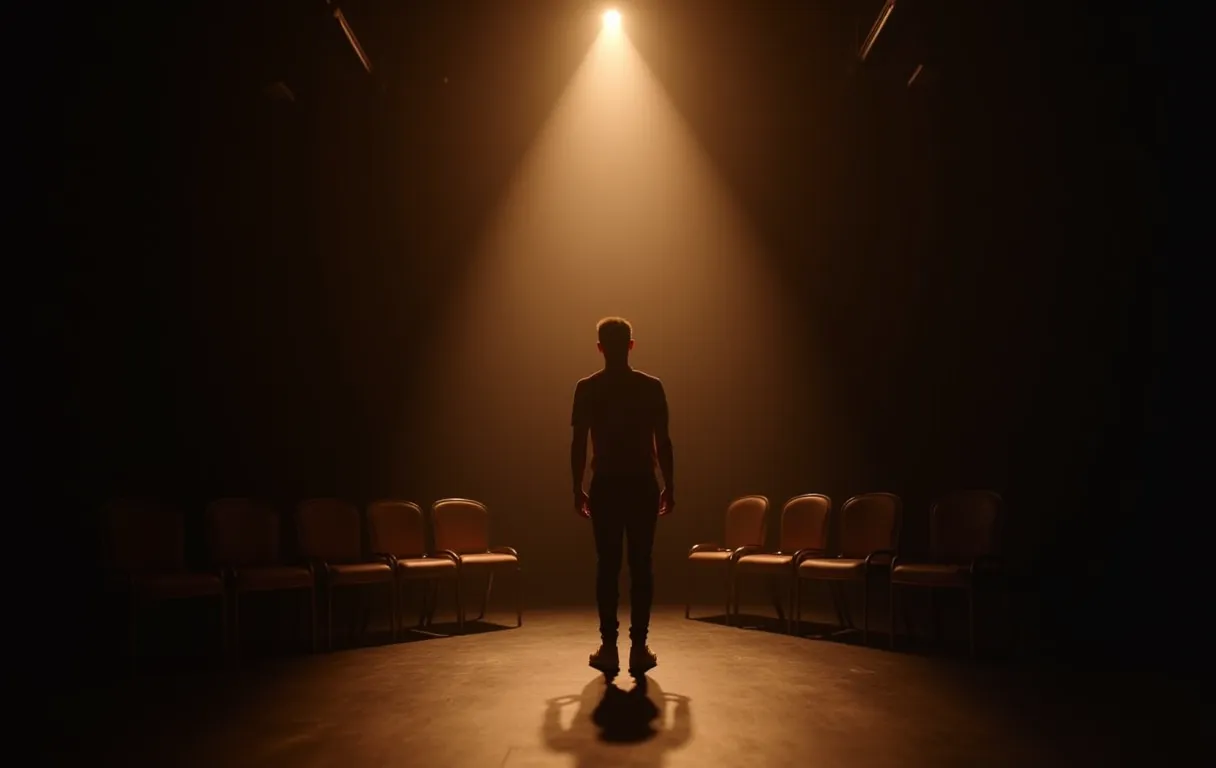
Do Not Overexplain Your Character Choices
When actors walk into a room, they often feel the urge to justify their choices to the casting team. I understand this impulse because I spent years believing that intellectualizing my work would prove my worth, but casting directors have already read the material a thousand times and do not need a dissertation. Your job is to inhabit the role, not to defend it.
Instead of verbally unpacking your subtext, trust the physical and emotional work you have already completed in rehearsal. Let your actions, pacing, and vocal choices carry the evidence of your research. When you stop explaining, you give the room permission to listen to the character rather than the performer.
Avoid Apologizing for Your Physical Space
I see too many talented performers shrink themselves by muttering about the lighting, the table placement, or their own nervousness before they even begin. This immediate apology signals a lack of ownership and teaches the reader to view the environment as an adversary rather than a canvas. You must claim the room the moment you cross the threshold.
Refrain from moving furniture, adjusting the table, or asking permission for standard stage business that the room already provides. Plant your feet firmly, ground your weight, and treat every prop and corner as a co-conspirator in your scene. When you stop apologizing for existing, your energy shifts from seeking permission to offering presence.

Refrain from Rushing Your Silence
Actors frequently fill every pause with a blink, a throat clear, or a rushed line because they fear that silence reads as forgetting or losing momentum. I used to make this mistake constantly, but true dramatic weight lives in the aftermath of a statement, not in the frantic pursuit of the next syllable. You must let the emotional residue settle.
Practice counting three full beats before you respond to a line, allowing the subtext to breathe without your interference. This restraint shows professional maturity and gives the casting team room to see how you process the material internally. Silence is not empty space; it is where your character actually thinks.
Do Not Chase Approval or Connection
Looking to the casting director for validation is a silent killer of creative energy, yet so many performers mistake eye contact for approval seeking. Actors who constantly glance upward for a smile fracture their focus and drain the scene of its authenticity. You must keep your gaze steady and your attention inward.
Treat the room as a listening environment rather than a judging panel, and direct your focus entirely toward your scene partner or the imaginary circumstances. When you stop performing for their reaction, you free yourself to take the necessary risks that actually win roles. Trust your preparation enough to offer it without demanding a receipt.
Comments
Leave a Comment
Comments appear right away.