Crafting Your Acting Headshot With Honest Presence

Introduction

I still remember my first professional headshot in twenty oh four, taken by a director who told me to stop performing and just sit in the chair. That moment taught me that a great headshot is not about looking polished, but about letting your specific truth show through the lens. If you are wondering how to make an acting headshot that actually books you, we will walk through the process step by step.

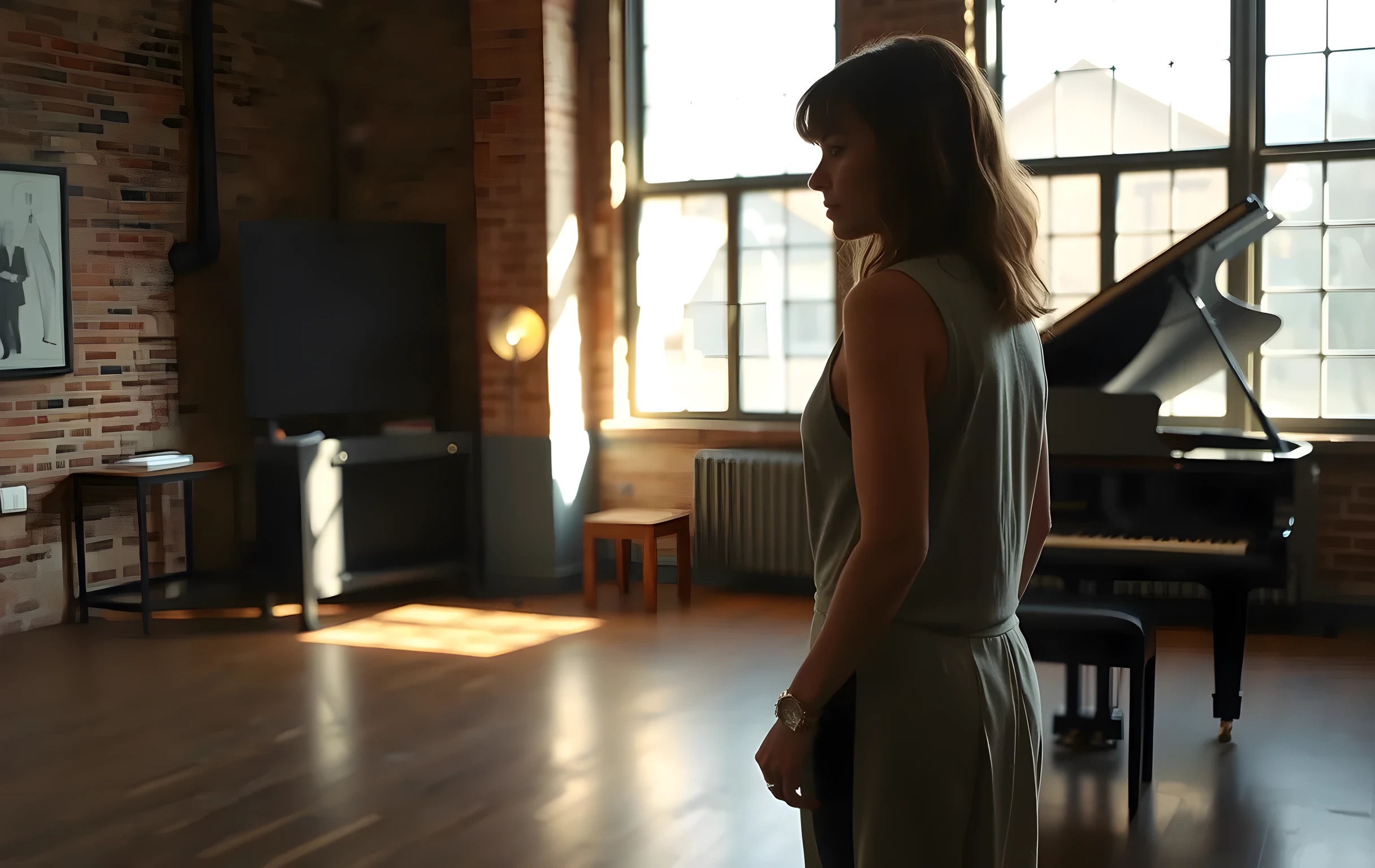
A sunlit rehearsal studio with exposed brick walls and scuffed wooden floors, where a woman actor stands near a grand piano in the background, her posture relaxed and grounded as afternoon light spills across the room
A sunlit rehearsal studio with exposed brick walls and scuffed wooden floors, where a woman actor stands near a grand piano in the background, her posture relaxed and grounded as afternoon light spills across the room.

Choosing the Right Photographer

Find someone who understands the difference between stage lighting and camera lighting, because a photographer who only shoots beauty or fashion will give you a face that looks nothing like you on a casting breakdown. Ask to see recent client work that matches your actual casting type, not just their portfolio highlights.

Verify that they shoot on location or in a studio with natural light control, and insist on minimal retouching. Casting directors need to see your real skin texture, your actual eye color, and the subtle lines that tell your story. Heavy smoothing or aggressive angles will only set you up for a casting room that feels like a stranger.

Wearing Clothes That Reflect Your Type

Dress like the version of yourself that walks into an audition room on a random Tuesday, not like a character you are playing. Choose solid colors that complement your skin tone, avoid busy patterns and logos, and pick fabrics that drape naturally without adding bulk. Texture matters more than trend.

Bring three to four options to the shoot, including a simple knit, a structured shirt, and a soft jacket, so we can test what reads best on camera. Your clothing should frame your face and suggest your casting range without shouting for attention. Let your natural features do the work.
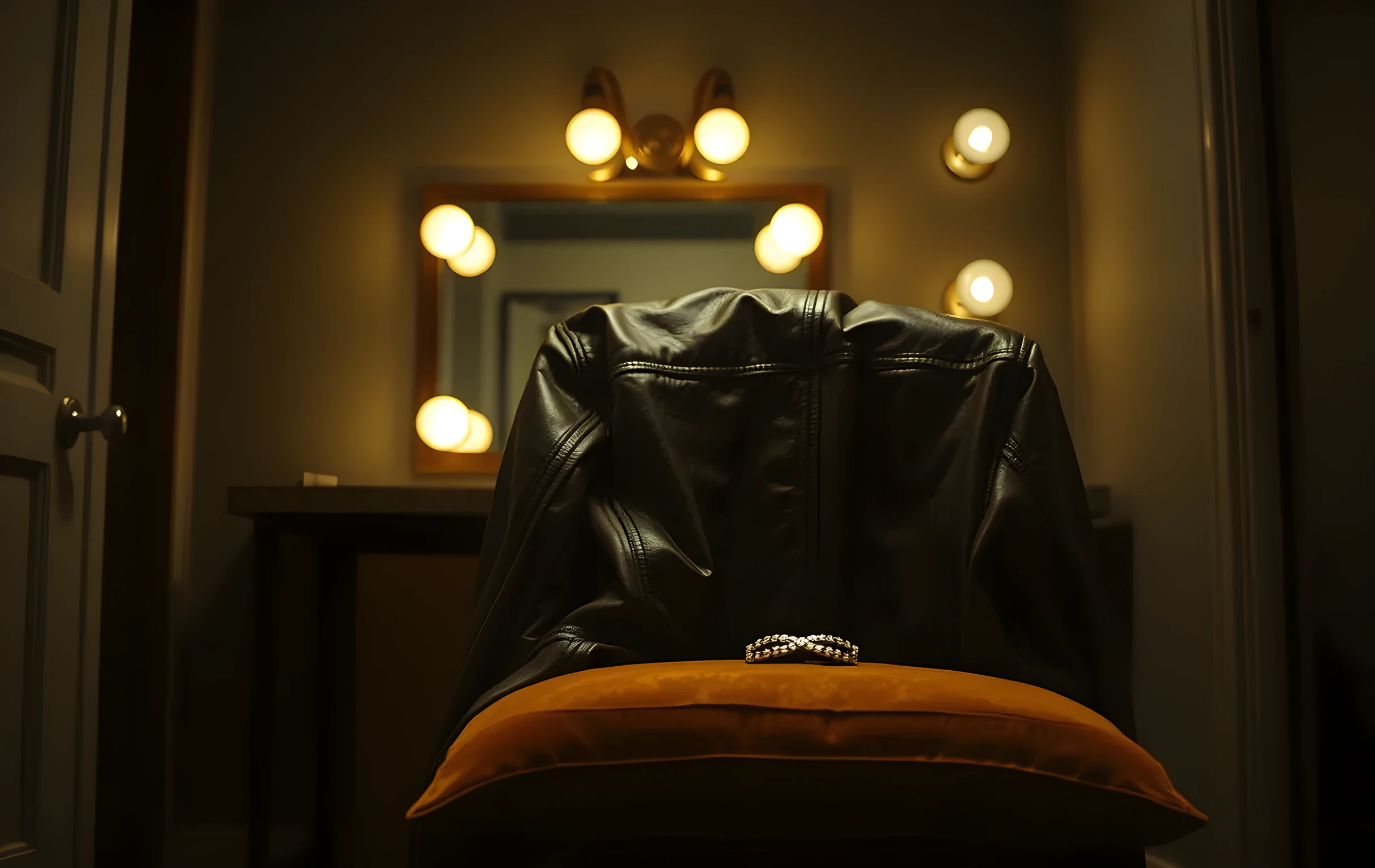
A quiet dressing room vanity illuminated by soft bulb lights, focusing on a worn leather jacket draped over a chair and a single silver hair clip resting on a velvet cushion, capturing the quiet preparation before stepping on stage
A quiet dressing room vanity illuminated by soft bulb lights, focusing on a worn leather jacket draped over a chair and a single silver hair clip resting on a velvet cushion, capturing the quiet preparation before stepping on stage.

Directing Your Own Presence On Set

Stop trying to pose and start finding a quiet internal action that keeps your eyes alive. I always tell my students to pick a simple intention, like waiting for a phone call or sharing a secret, and just breathe through it while the photographer works. The camera captures thought, not expression.

Trust the photographer to guide your chin and shoulders, and resist the urge to check the monitor. When you become self-conscious, your jaw tightens and your eyes lose their focus. Sit in the chair like you are waiting for a script to be handed to you, and let the stillness do the heavy lifting.

Preparing Files For Casting Submissions

Deliver high resolution files that meet the exact technical standards of the casting platforms you use, usually thirty dots per inch at a standard aspect ratio. Name your files clearly with your full name and the photographer credit, and keep both a lightly edited version and a completely untouched master for future use.

Update your materials every eighteen months or whenever your hair, weight, or general vibe shifts noticeably. Casting directors book who they see in the chair right now, not who you were during a previous season. Consistency between your headshot and your current work builds trust and gets you booked.

Explore my reels and recent projects.

See My Work

Frequently Asked

How often should I update my headshot?

You should update it every eighteen to twenty-four months, or whenever your look changes significantly. Casting directors want to see who you are right now, not a version of you from three years ago. Keep your current headshot current so the work you book matches what they see in the chair.

Do I need a theatrical and a commercial headshot?

Yes, you generally need two distinct images that showcase your different professional ranges. A theatrical headshot should lean toward dramatic or character-driven energy, while a commercial headshot should feel approachable and bright. Most casting directors will ask for both when they call you in.

Can I use a phone camera for my first headshot?

You can use a phone camera only for practice shots to test angles and expressions before booking a professional. Professional casting platforms require high-resolution files that a phone cannot reliably deliver for industry standards. Invest in a proper photographer once you are ready to submit to real breakdowns.

How do I choose between different photographer styles?

Choose a photographer whose existing portfolio matches the exact casting type you are pursuing in your market. Review their lighting setup, ask about their retouching policy, and verify that they understand the technical requirements of casting websites. A mismatch in style will cost you auditions faster than a higher price.

Comments

Leave a Comment

Comments appear right away.

Thank you — your comment is posted.

← Back to the blog