Lighting That Flattens Your Face
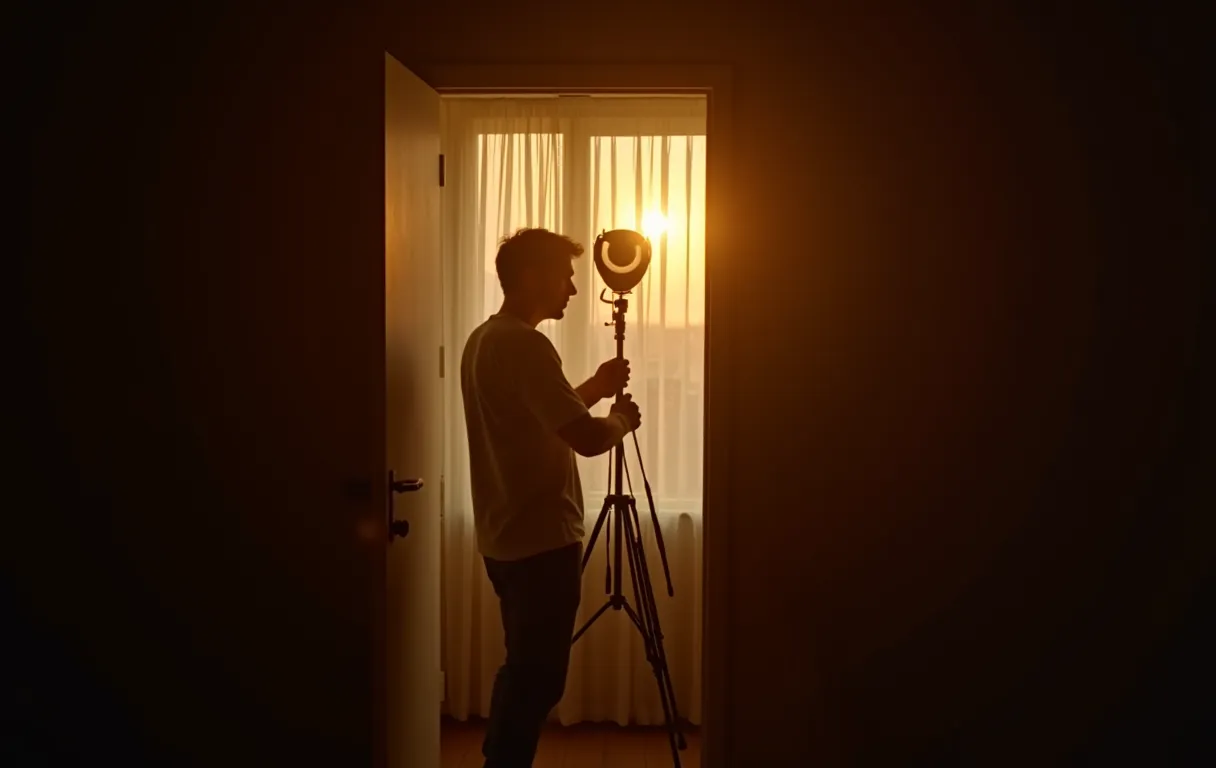
I see actors constantly relying on a single overhead bathroom light or a cheap ring light placed too high, which creates harsh shadows under the eyes and drains the life from your expression. Flat lighting makes even the most emotional scene feel like a grocery list. You need a key light positioned slightly above eye level and angled down toward your face, paired with a softer fill light on the opposite side to preserve your natural bone structure.
Place a practical lamp behind your camera pointing at the wall to create a gentle backlight that separates you from the background. This simple two point setup mimics the soft, directional light of a proscenium stage and allows your eyes to catch the light. Do not place the light directly in front of you, as that eliminates dimension and makes you look like a photograph rather than a living performer.
Blocking That Ignores The Lens
Looking at your monitor or the viewfinder instead of the camera lens is the quickest way to break the illusion of connection. You must tape a small mark on your camera housing and train your eyes to rest there, treating the lens like a person sitting across from you.
Many actors also stand too close or too far away without adjusting their physical choices to the frame size. If you are submitting a close up, your micro expressions and vocal intimacy must match that proximity. Mark the floor with tape so you stay centered, and practice your scene while watching a stand in actor who matches the height and eye level of your scene partner.
Audio That Distracts From The Text
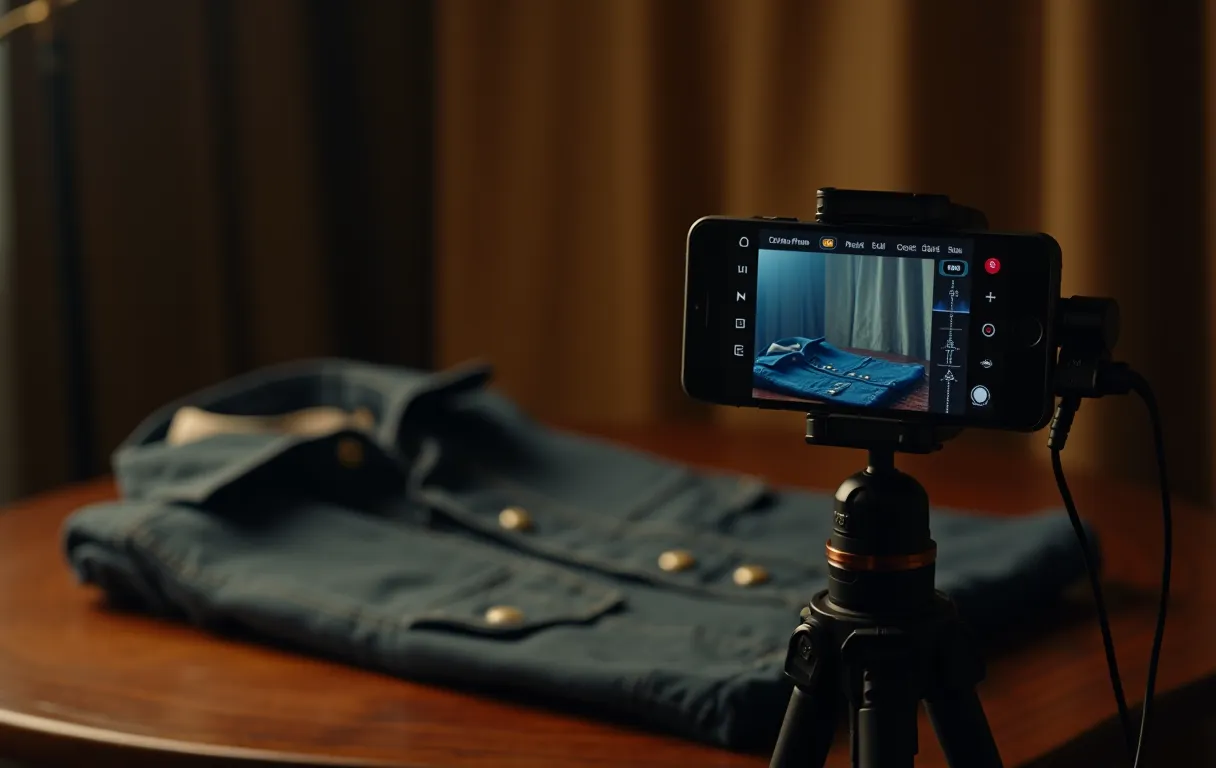
Casting directors will stop watching within seconds if your audio echoes, crackles, or competes with a humming refrigerator. Too many tapes pair a brilliant performance with sound recorded on a phone in a tiled kitchen. You must use an external microphone plugged directly into your device, or record in a closet filled with clothes to deaden the room.
Set your recording levels properly before you hit start and monitor your sound through headphones during playback. Even a slight wind noise or footstep vibration can pull the reader out of your moment. Keep your mouth six inches from the mic, speak with consistent projection, and never let background noise dictate the mood of your scene.
Wardrobe That Competes With You
Wearing loud patterns, neon colors, or expensive logos is a silent audition killer that distracts from your face and your choices. Stick to solid colors that complement your skin tone and avoid anything that catches the light or draws the eye away from your work.
Your clothing should also reflect the character without looking like a costume department display. When I prepare for a role, I research the specific neighborhood and era, then choose fabrics that move naturally on camera. Iron your clothes, check the seams, and ensure the neckline allows your neck and jaw to remain visible for clear vocal transmission.
Comments
Leave a Comment
Comments appear right away.