
Root Your Work in Textual Excavation
Stop treating the script as a map to hit marks and start treating it as a living document full of buried contradictions. I used to rush through lines just to get to the emotional climax, but every great role hides its true engine in the pauses, the misplaced stress, and the contradictions between what the character says and what they need. Pick a single scene and read it aloud as if the words are entirely foreign to you, then map every action to a physical or psychological need.
Work with a pencil and a red pen, but only to underline what you actually do, not what you think you should do. When you underline, circle the verbs that drive the moment and cross out any adverbs that tell you how to feel. The text will tell you exactly where the tension lives if you stop trying to manufacture it. You will find that the most honest choices often come from following the most mundane instructions straight through to the end.
Train Your Body to Speak the Subtext
Your voice and face will betray you if your body remains stuck in a state of polite readiness. Actors spend too much time in the head, trying to calculate an expression before the impulse arrives. Instead, practice moving through a room with complete physical commitment while delivering a completely different monologue. Let your shoulders drop, your weight shift, and your hands find real objects to touch. The body always knows the truth before the mind catches up.
I have found that stage combat, dance, or even simple breath work teaches you how to carry emotional weight without freezing. When you learn to breathe through the ribs while maintaining a steady gaze, you stop protecting yourself from the audience. This physical freedom allows you to take the necessary risks in a scene without retreating into safe, familiar patterns. Your instrument must be loose enough to absorb the shock of genuine connection.
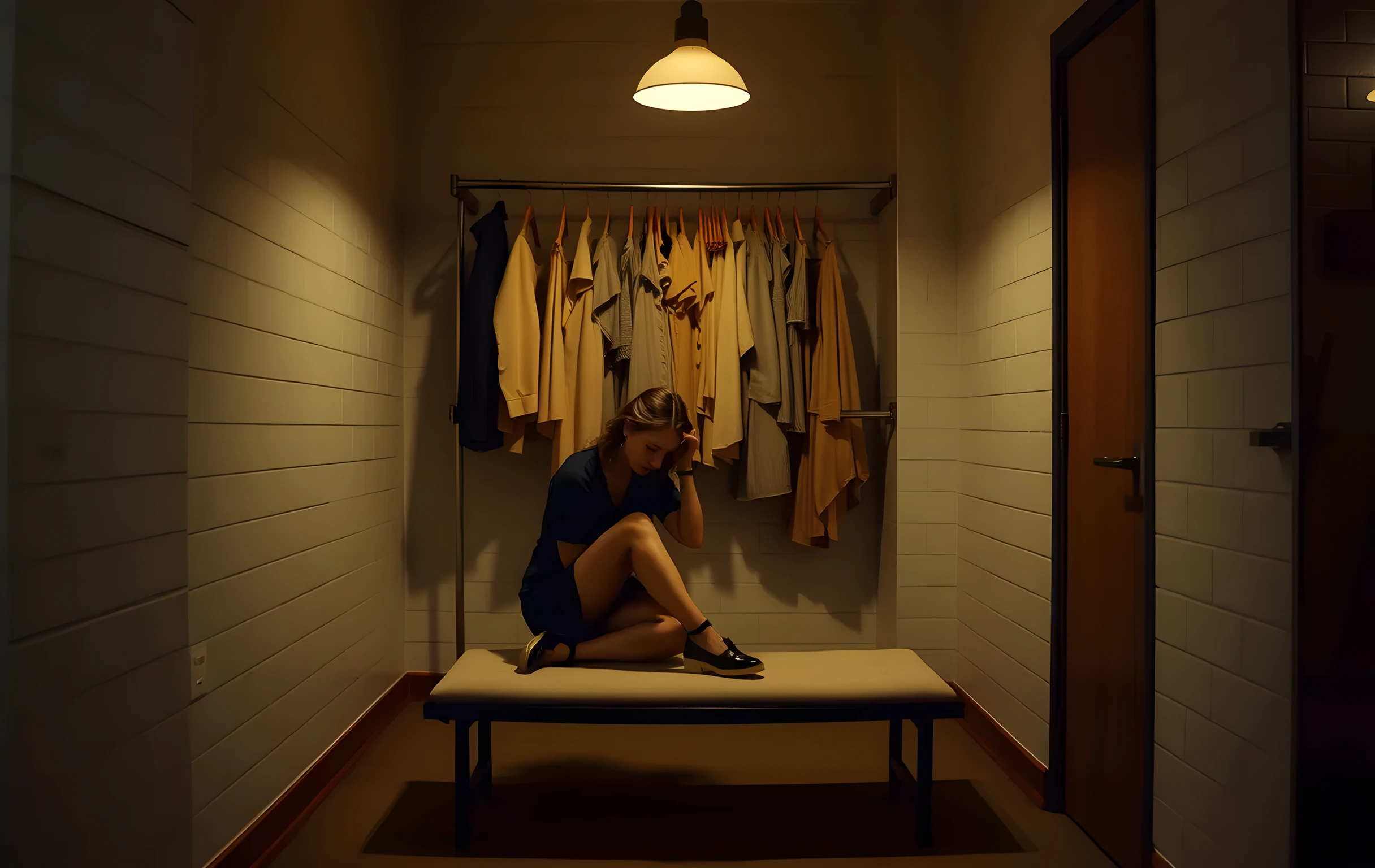
Embrace the Discomfort of Live Failure
You cannot improve if you are only rehearsing your successes. I spent years avoiding table reads with people who challenged me because I preferred the comfort of predictable outcomes. Growth happens when you sit in a room with actors who see through your tricks and force you to rebuild the moment from scratch. Let your work be messy, let it collapse, and then watch how quickly you can pick up the pieces when someone else gives you a real gift in return.
Record your rehearsals not to critique your appearance, but to catch the exact moment you stop listening and start performing. You will notice how easily you reach for a familiar gesture when the scene gets difficult. Strip those crutches away in the next pass and replace them with a direct, unfiltered response to the person across from you. The camera and the back row both demand the same thing: a willingness to be seen in real time.
Build a Sustainable Daily Rehearsal Routine
Improvement is not a series of breakthroughs but a slow accumulation of small, consistent choices that compound over years. Create a practice space that exists outside of auditions and paychecks, where the only metric that matters is your own attention. Spend twenty minutes each morning studying a new text, another twenty moving through it without stopping, and the final twenty reviewing where your energy leaked. Keep this routine even when you feel tired or uninspired.
Protect your creative energy by setting strict boundaries around how you consume media and how you spend your downtime. I stopped scrolling through acting reels for hours and started walking through my neighborhood with a notebook, watching how real people carry their bags, pause mid-step, and adjust their posture when they hear a familiar voice. The world is your rehearsal hall if you stop treating it as background noise. Your craft will deepen simply by learning how to pay attention.
Comments
Leave a Comment
Comments appear right away.