The Seven Days of Deep Text Work
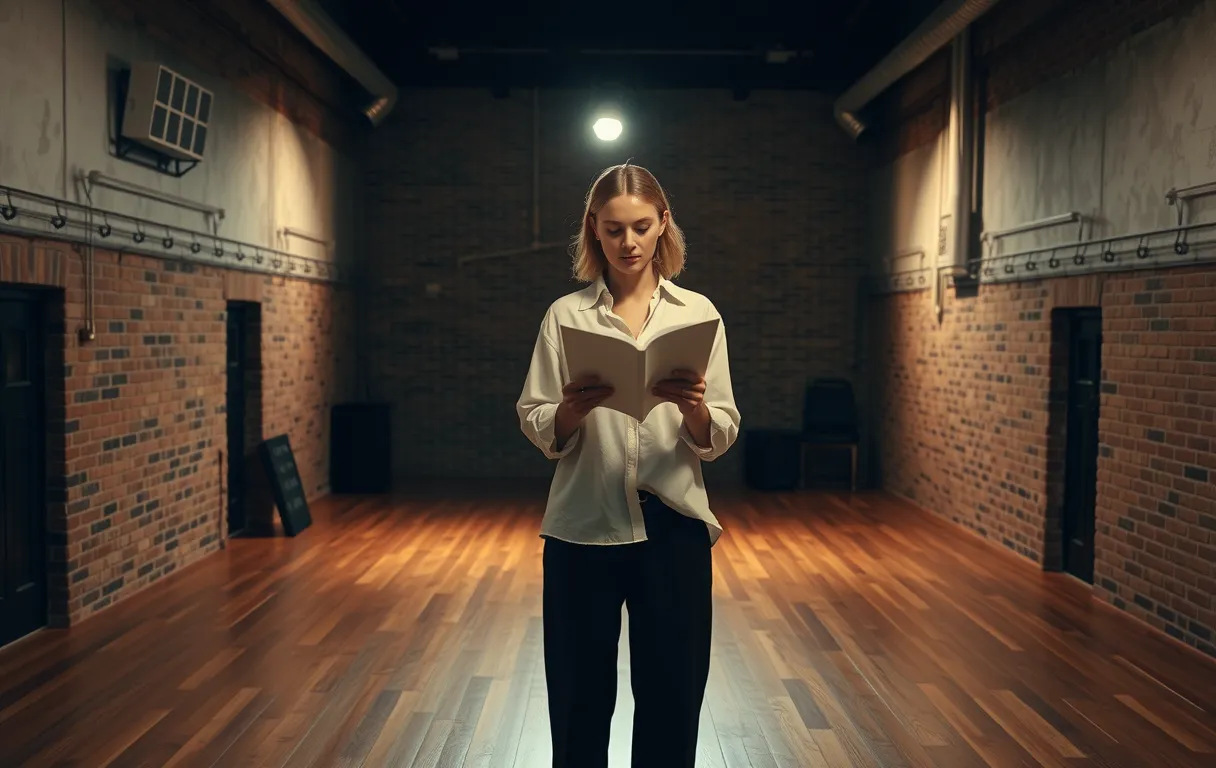
Your first week is not about memorization. It is about excavation. You read the script aloud daily without stopping to block or gesture, marking every pivot point, every subtextual shift, and every emotional threshold. Focus on the verb in each line and ask what the character is actually doing to the person across from them. This phase strips away performance habits and forces you to meet the text as a living thing.
Keep a dedicated notebook where you record your discoveries rather than highlighting the script to death. You will notice patterns in the rhythm, the way the writer structures conflict, and the quiet moments that carry the heaviest weight. Let the language settle in your mind before you ever attempt to recall it mechanically.
Three Days of Movement and Blocking Integration
Once the text has taken root, you introduce physicality. These three days are for mapping your geography, testing your relationships, and discovering where your body naturally wants to go. You run the scene with the script in hand but allow yourself to move, gesture, and adjust your position as the emotional current demands.
Notice how your breath changes when you shift from a chair to a doorway or when you cross the room during a confrontation. The body remembers what the mind sometimes resists, and this phase bridges the gap between intellectual understanding and embodied truth. You are training your muscles to respond to the text, not the other way around.
Two Days of Unassisted Scene Runs
Now you set the script aside and rely entirely on your prepared work. These two days are for testing recall under pressure and letting go of the safety net. You run the scene with a partner or yourself, allowing mistakes to surface so you can adjust without panic.
If you forget a line, do not stop. Keep the action going and find the next emotional anchor. This is where you build the resilience required for live performance and camera work. You will quickly realize that your memory was never the problem; your trust in the process was.
One Day of Performance Readiness and Rest
The final day is not for pushing harder. It is for stepping back, sleeping deeply, and allowing your nervous system to integrate everything you have built. You might do a light vocal warmup or walk through the blocking once, but the goal is consolidation, not invention.
Actors often mistake exhaustion for dedication, but true preparation requires space for the subconscious to work. When you step onto the stage or in front of the lens, you will find that the work breathes on its own because you gave it room to settle.
Comments
Leave a Comment
Comments appear right away.