What Makes a Great Acting Headshot (and the Mistakes to Avoid)
By Gredivel Vásquez · May 8, 2026
HeadshotsActor MaterialsAdvice
Introduction
Before a casting director reads a word of your résumé, they see your headshot — and decide in a fraction of a second whether to keep looking. It is the single most important marketing tool you own. After years of updating my own and sitting on the other side of submissions, here is what actually makes a headshot work.
A headshot's only job is to look like you on your best, most real day.
It has to look like you — really you
The number-one rule: your headshot must look like the person who walks into the room, on a good day. Not you ten years ago, not you with heavy retouching, not an aspirational version. If casting feels tricked when you arrive, you have started on the wrong foot. A great headshot is honest.
The eyes are everything
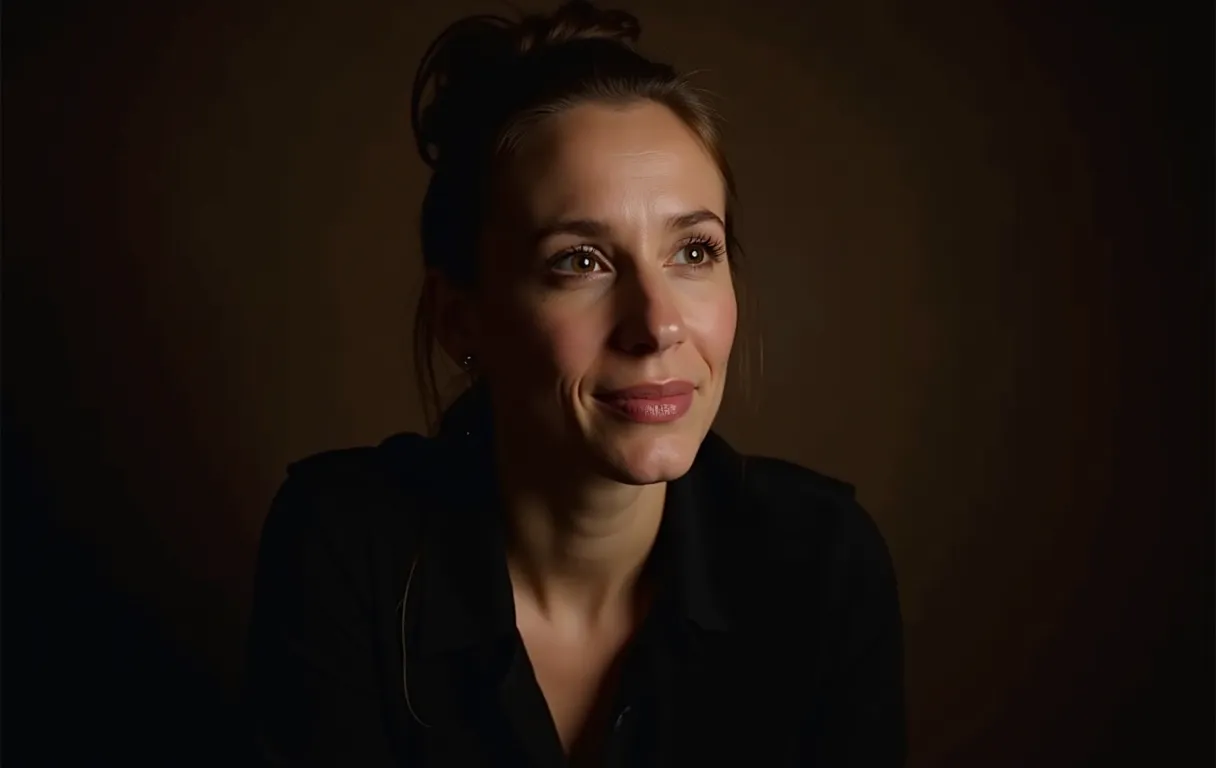
A working headshot lives in the eyes. There should be a thought behind them, a sense of a real person present and alive. This is why a technically flawless photo can still feel dead — the lights were on but nobody was home. Choose a photographer who actually directs you toward a genuine, connected moment.
You want a photo that says who you are — not a glamour shot that says nothing.
Should you smile?
The honest answer: it depends on your type and your target roles. You generally want a small range — often one warmer, approachable look (a natural smile or the beginning of one) and one more grounded, neutral look with intensity. The commercial world tends to want warmth and life; theatrical and dramatic work often wants a truer, quieter presence. Let the image feel like you, not a forced grin held two seconds too long.
The mistakes that cost you
Over-retouching. Smoothed-away reality reads as fake and sets up a mismatch in the room.
Distracting wardrobe. Loud patterns, logos, and heavy jewelry pull focus from your face. Keep it simple and in colors that suit you.
Busy backgrounds. The photo is about your face. Nothing should compete with it.
Wrong type. A moody, edgy shot when you book warm, friendly roles — or vice versa — markets you for work you won’t get.
Letting it go stale. Update when your look genuinely changes. A headshot that no longer matches you is worse than none.
See how the work translates on screen — explore my reels.
One that looks exactly like you on your best real day, with living, connected eyes, simple wardrobe, and a clean background. It should market you for the roles you actually book — honest, current, and full of a genuine present thought.
Should I smile in an acting headshot?
It depends on your type and the roles you target. Many actors carry a small range — one warmer, approachable look and one grounded, neutral one. Commercial work leans warm; dramatic work often wants a truer, quieter presence. Above all, keep it natural.
What are common headshot mistakes?
Over-retouching, distracting wardrobe or jewelry, busy backgrounds, photos that don't match your actual look, marketing the wrong type, and letting an outdated headshot linger after your appearance has changed.
How often should I update my headshots?
Update whenever your look genuinely changes — a new hair color or length, weight change, aging, or a shift in the type you're playing. A headshot that no longer matches the person who walks in does more harm than good.
Comments
Leave a Comment
Comments appear right away.