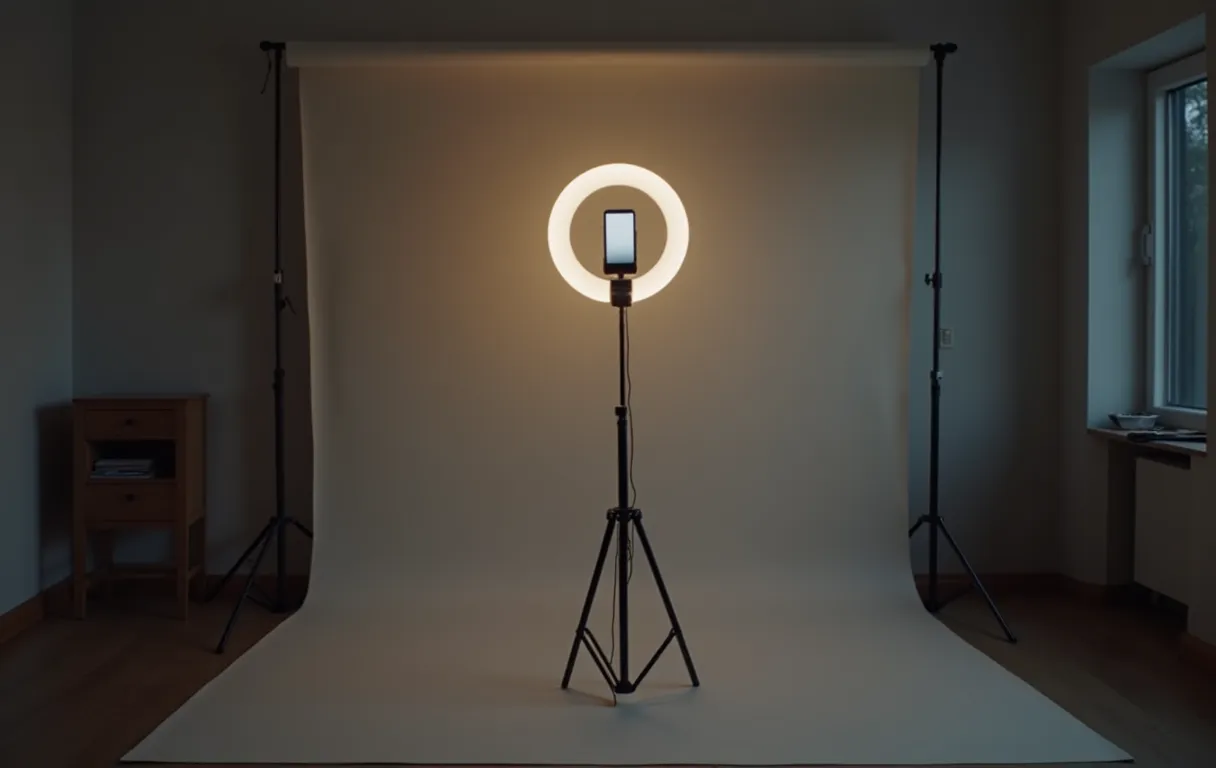
How to make a self tape, step by step
If you only remember the short version, make it this one:
- Put your phone at eye level on a tripod, chest-up frame, facing soft light.
- Use a plain, neutral background and a quiet room.
- Get a live reader just beside the lens, quieter than you.
- Slate simply and be yourself.
- Act for the lens — small, true, all in the eyes.
- Pick the most present take, label the file exactly as asked, and send it.
That is the whole recipe. Now the detail behind each step.
The setup: keep it clean and invisible
A great self-tape does not draw attention to its production. Aim for:
- Light on your face. Face a window or a soft light so your eyes are clearly lit. Avoid harsh shadows and overhead light. A cheap ring light or two lamps with diffusion is plenty.
- A neutral background. A plain wall in a muted color. Nothing busy behind you.
- Good sound. Sound matters more than actors think. A quiet room and your phone close enough to catch you clearly beats any fancy camera in a noisy space.
- Framing. Usually a chest-up or medium frame, camera at eye level, you slightly off-center with your reader’s eyeline just next to the lens.
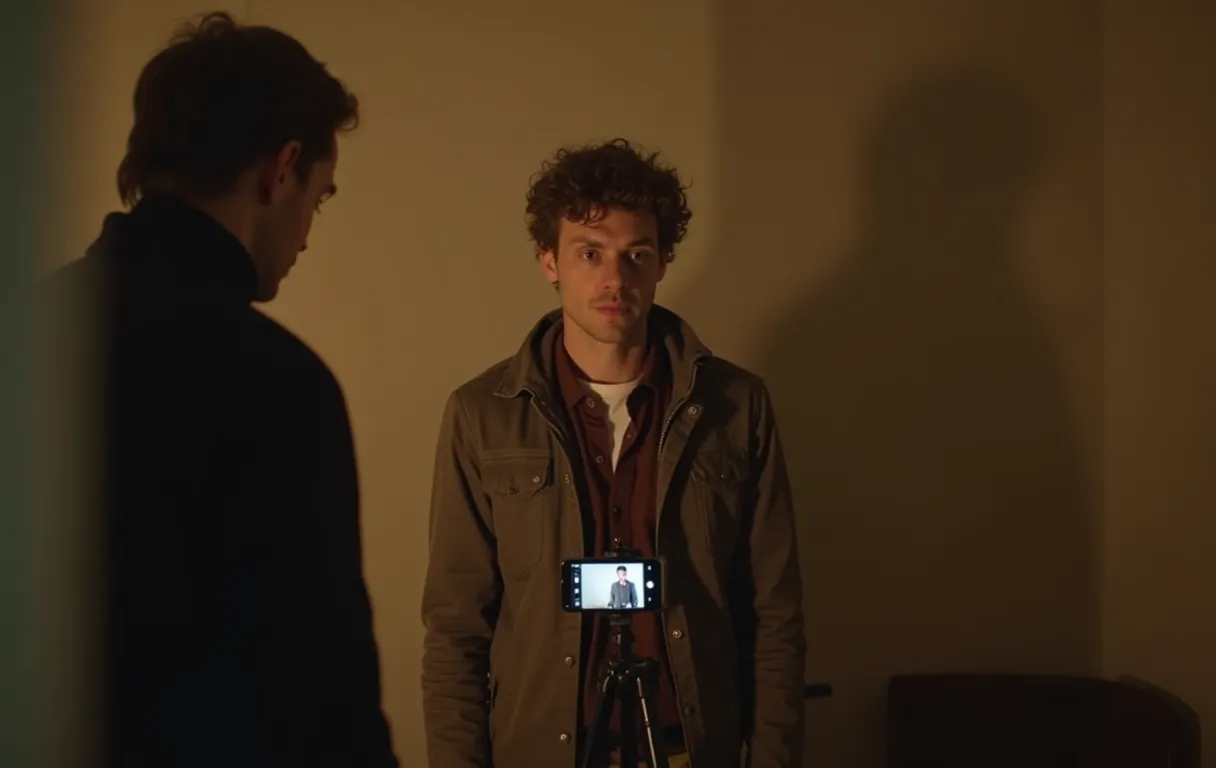
Get a real reader
Flat, rushed off-camera reading kills more self-tapes than bad lighting. Find a reader who will actually play the scene with you at a natural pace — and ask them to keep their volume lower than yours so you stay in front. Your responses are only as alive as what you are responding to.
Perform for the camera, not the room
Self-tape acting is film acting: smaller, truer, all in the eyes and thought. Resist the urge to push as if you were filling a theatre. The lens is intimate — let it come to you. Do a few takes, choose the one where you were most present (not most “perfect”), and label the file exactly as they asked.
Common mistakes to avoid
Backlighting that turns you into a silhouette. A background that competes with you. A reader who steamrolls the scene. Slating that feels stiff — be yourself for those few seconds; it is casting’s first glimpse of the real you. And endless takes: after a point, more takes just drain the life out of it. Get it clean, get it alive, and send it.
And once your tape is working, make sure the materials that travel with it keep up — here is what belongs on an actor’s résumé.
Comments
Leave a Comment
Comments appear right away.