
Don’t chase the tears
The biggest mistake is playing the crying. Tears are a result, not an action — the body’s response to a real inner event. When you strain to squeeze them out, you tense up and it reads as fake. When you fully commit to what the character is going through — the loss, the fear, the love — and stop policing whether the tears come, they often arrive on their own. Chase the truth; let the emotion follow.
The tools actors actually use
- Given circumstances. Invest completely in the character’s situation until it feels real to you. Deep, specific imagination is the foundation.
- Emotional or sense memory. Some actors draw on a personal memory that carries a similar feeling. Powerful, but use it with care — it can be destabilizing, and it is not the only road.
- Substitution and imagination. Picture someone or something in your own life in the scene’s situation. The imagined stakes do the work.
- The body and breath. Relaxation and open breathing let emotion move through you. Tension is what blocks it.
Do actors really feel it?
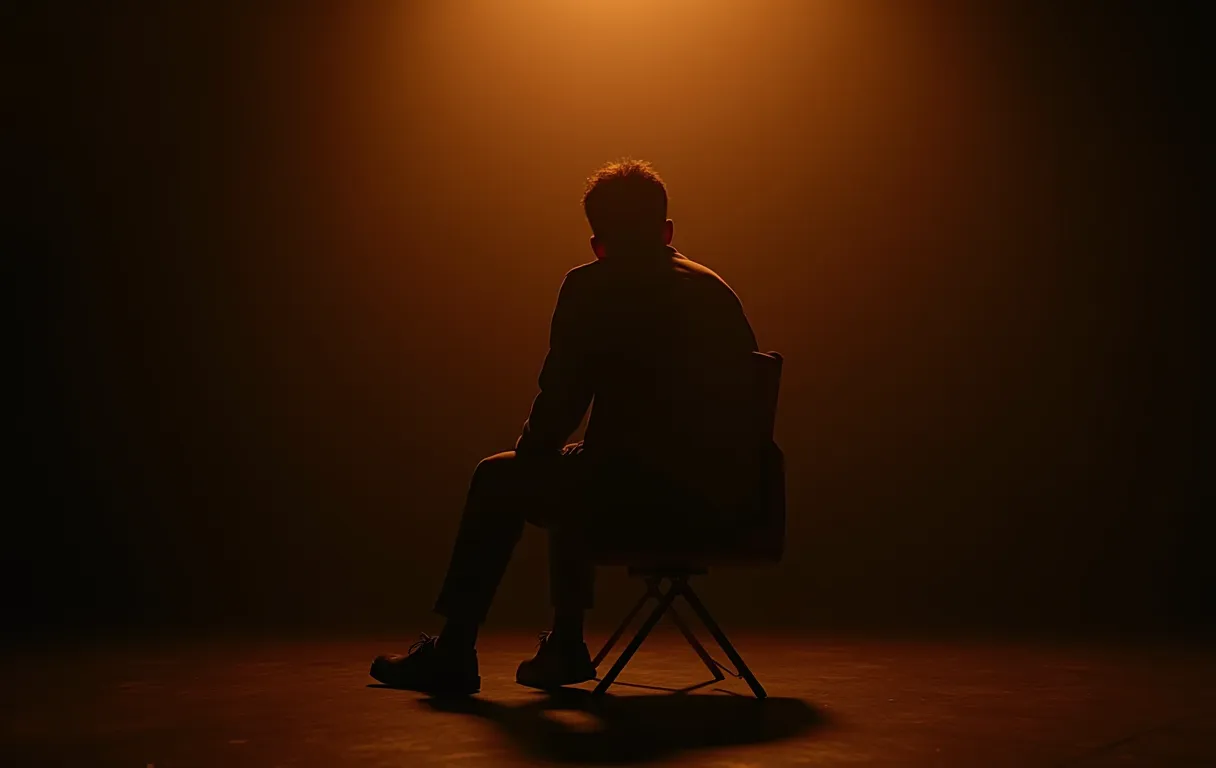
Often, yes — but not always, and that is fine. Great acting is not about drowning in real anguish every take (that is exhausting and unrepeatable). It is about creating a truthful impression of the emotion. Experienced actors learn to hover at the edge of real feeling while staying in control enough to hit their mark and say the line. Craft is what makes emotion repeatable, take after take.
When the tears won’t come
Sometimes they don’t — and forcing them makes it worse. A held-back tear, a tight throat, eyes that want to cry and can’t, is often more moving than a flood. The audience feels the effort not to cry. So if the tears refuse you, play the fight against them fully. The truth of the struggle is the performance. That is the real craft: not manufacturing tears, but committing so completely to the moment that something honest gets through, one way or another.
Comments
Leave a Comment
Comments appear right away.