
Building a Career as a Bilingual, Latina Actress

Introduction

When I started, I sometimes worried that being a Venezuelan actress working in two languages made me harder to cast. Two decades later, I can tell you it has been the opposite: my bilingualism is one of the most valuable things I bring to a room. If you are a Latina or bilingual actor wondering how to build a career, here is what I have learned.

A Latina actress performing under a warm stage spotlight
Two languages means two audiences, two markets, and twice the stories to tell.

Bilingualism is a skill, not a limitation

The industry is finally catching up to what our communities always knew: audiences are bilingual, bicultural, and hungry for stories that reflect them. Streaming has opened enormous demand for Spanish-language and bilingual content, and productions increasingly need actors who can move fluidly between languages — and, just as importantly, between cultures. Your second language is a marketable, castable skill. Put it on your résumé near the top, and be specific about your fluency and accent.

Own your specificity

Early on, actors from our communities are sometimes pushed to sand down what makes them distinct. I would urge the opposite. Your particular background — Venezuelan, Dominican, Mexican, Puerto Rican, and the specific Spanish and rhythm you carry — is not a limitation to overcome. It is exactly the truth casting is looking for when they need it. Authenticity is castable; a generic “Latin” blur is not.
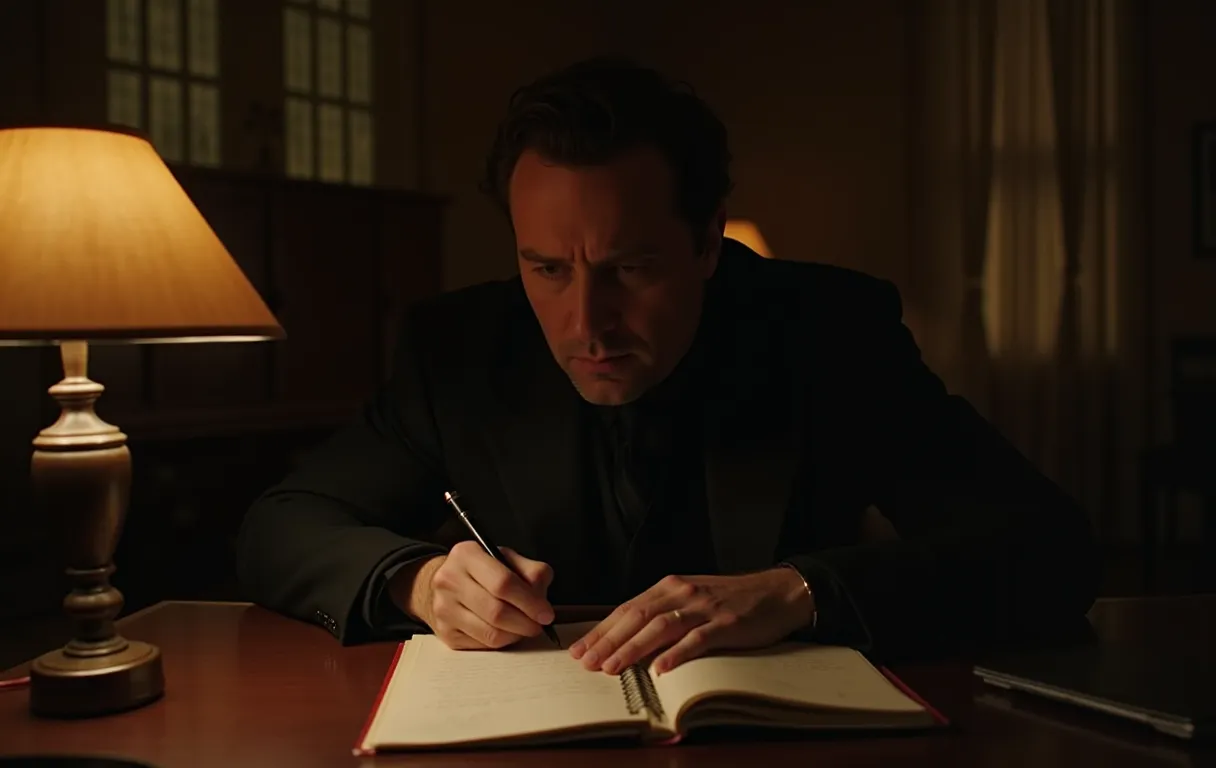
An actor working from a script with notes in English and Spanish
Fluency isn't just vocabulary — it's carrying truth across two cultures.

Work in both worlds

One of the gifts of a bilingual career is access to two ecosystems. In New York, the Latino theatre community — places like Repertorio Español — is fiercely devoted and largely self-made. That world gave me a home, a training ground, and relationships that have lasted a career. At the same time, English-language film, television, and commercials open a second market. Serve both. Audition in both languages. The actors who thrive are the ones who refuse to choose.

Show up for the community

Representation grows when we build it together. I make a point of celebrating other Latino artists’ premieres, sharing casting calls, and cheering the wins out loud — because a rising community lifts every one of us. Your career is your own, but you do not build it alone. The room is warmer, and the roles more plentiful, when we make space for each other.

See bilingual roles in action — explore my reels and playbills.

See My Work

Frequently Asked

Is being bilingual an advantage for actors?

Very much so. Bilingual actors can work across two markets and are in growing demand as streaming expands Spanish-language and bilingual content. Fluency in a second language is a concrete, castable skill — list it prominently on your résumé.

How do I market myself as a bilingual actor?

List your languages and honest fluency level near the top of your résumé, note your accent and cultural background specifically, prepare audition material in both languages, and pursue work in both English- and Spanish-language markets.

Are there more roles for Latina actresses now?

Yes. Demand for authentic Latino stories and Spanish-language and bilingual content has grown substantially, especially with streaming. Owning your specific cultural background, rather than a generic type, makes you more castable, not less.

Should I audition in both languages?

If you're genuinely fluent, yes. Being able to deliver a truthful performance in two languages doubles your opportunities and is exactly the skill many productions now need. Be honest about your fluency so you're cast for work you can fully carry.

Comments

Leave a Comment

Comments appear right away.

Thank you — your comment is posted.

← Back to the blog